When Should You Visit An Alpaca Farm In Akaroa?
Timing an Akaroa alpaca farm visit: opening times, the spring shearing window, cruise-day timing and how far ahead to book.
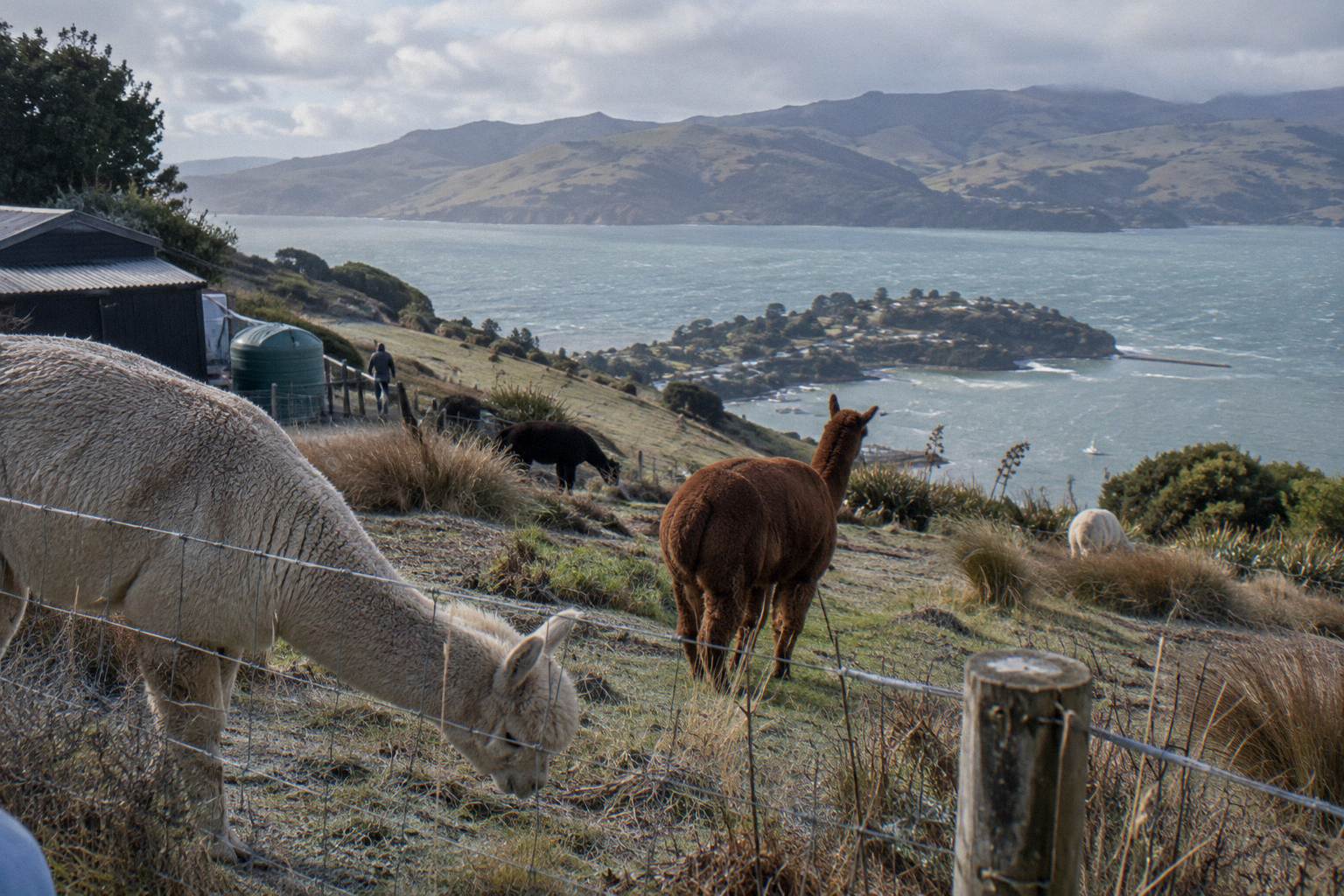
Alpaca visits around Akaroa do not shut down for winter. The one farm here with its own published tour calendar, Shamarra Alpacas at French Farm, runs 11am, 1pm and 4pm every day of the year except one. That flips the usual timing question: instead of hunting for a season, you are choosing a day, an hour and a booking window, and working around a handful of fixed facts rather than a closed month. This page lays out what is actually stated about timing, what is genuinely seasonal, and what nobody has published at all.
When Should You Visit An Alpaca Farm?
Any day suits an alpaca farm visit, because the Shamarra Alpaca Farm Tour runs seven days a week, year round, at 11am, 1pm and 4pm, and the only fixed closure on the operator's calendar is Christmas Day. The real timing decisions are which tour slot you want and how early you book, since the operator states that bookings are essential rather than optional.
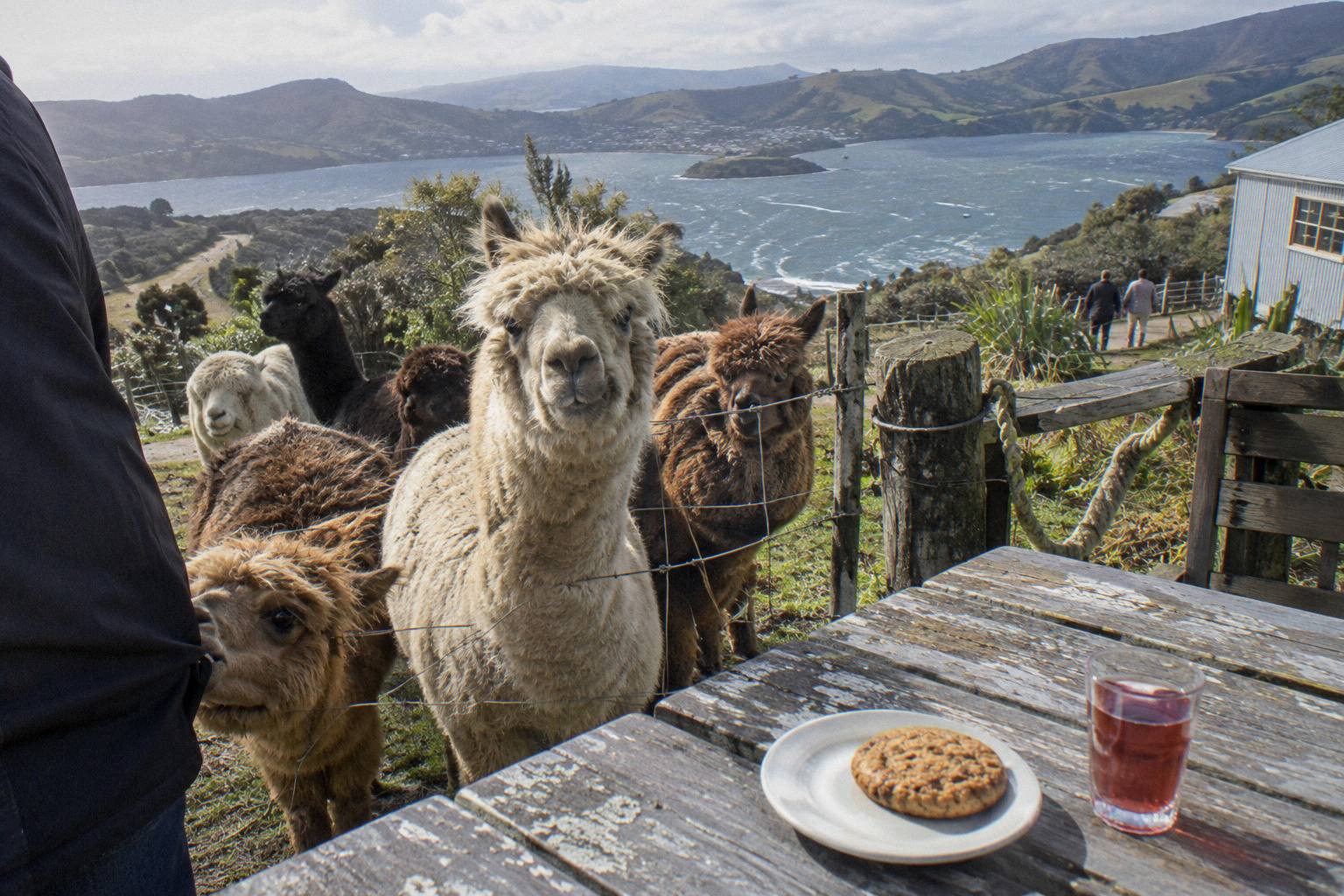
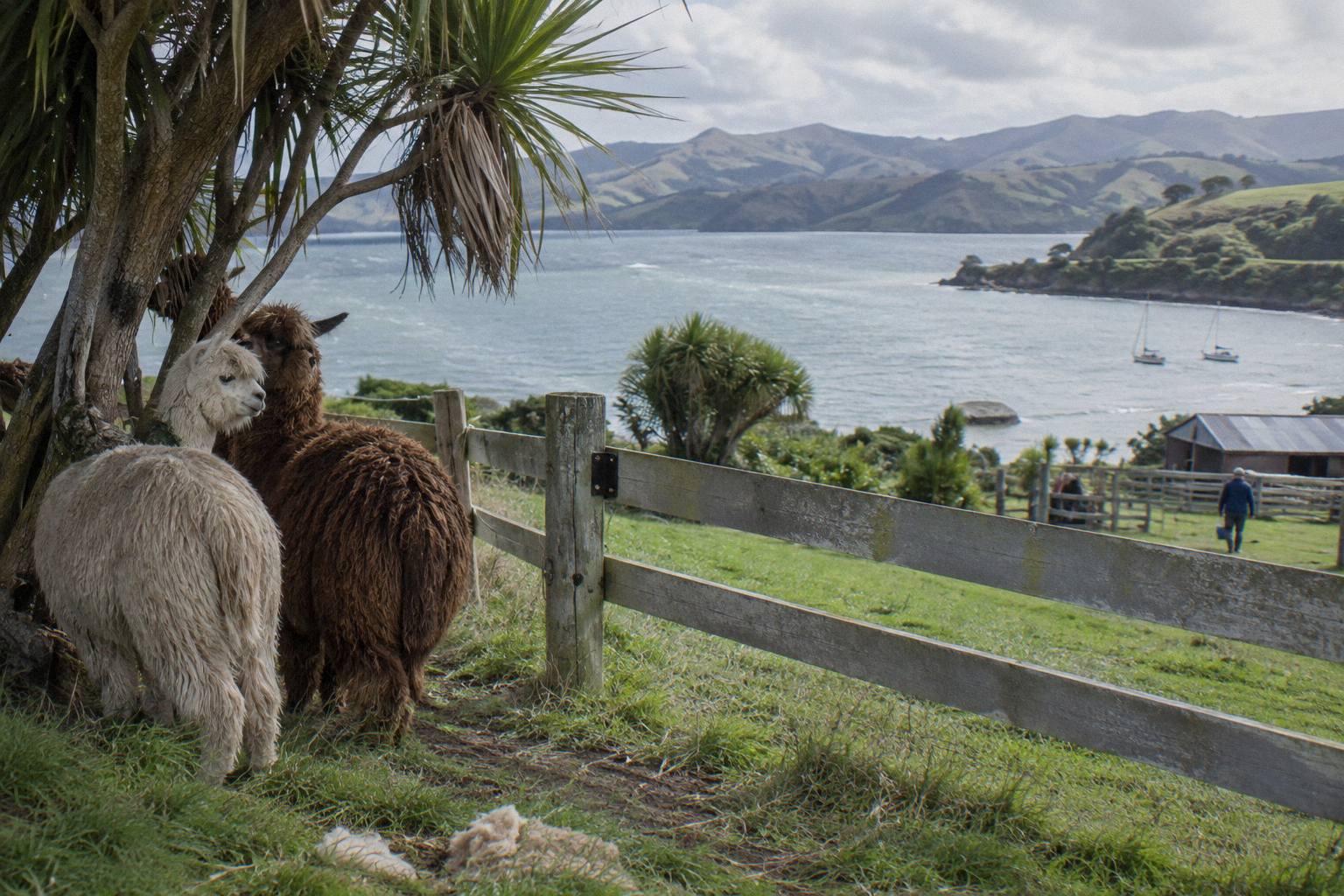
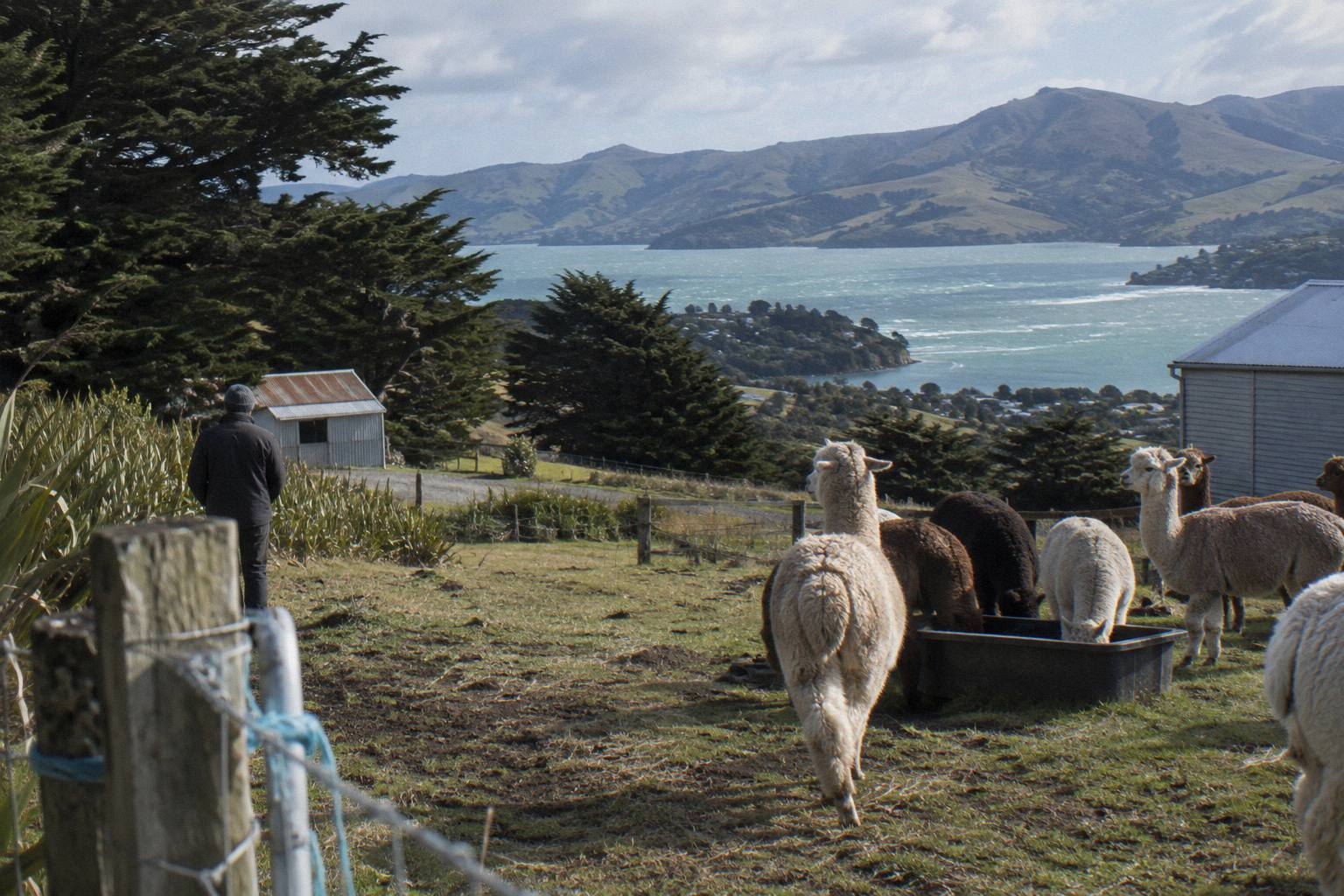
That calendar comes straight from the operator's own farm-tour page, the only official alpaca tour page in this area. Shamarra Alpacas sits at 328 Wainui Main Road, French Farm, about 20 minutes from Akaroa village, and the operator gives 73 km, just over an hour's drive, from Christchurch Central. The tour itself lasts about one hour: a brief introduction to alpacas, a safety briefing, fleece on display to feel, a walk through the herd, feeding the mothers with young, harbour views, and a beverage and a home-baked cookie at the end.
So the honest answer to "when" is "whenever your trip lands, provided you book." The tour is rated 4.9 from 139 reviews, and from-price tickets for the Shamarra Alpaca Farm Tour start from US$36 per person on the operator's live listing.
If you are planning around a wider Banks Peninsula trip, our best season for an Akaroa farm visit guide covers the sheep-farm side of the same question, and the farm-wide timing picture is in how long an Akaroa farm visit takes.
Does The Season Change An Alpaca Farm Visit?
Not in the way most visitors expect. The operator states the farm is open year round with the same three daily times in every season, and no source we hold publishes seasonal closures, weather limits, lambing-style restrictions or a peak pricing calendar for alpacas. Season changes the scenery and the fleece length, not the schedule.
It is worth being blunt about the limits of the published record. No seasonal calendar for alpaca visits exists in any source this site holds: no month-by-month conditions guide, no wet-weather cancellation policy tied to seasons, and no shoulder-season discount table. Rather than fill that gap with guesses, here is what is actually stated, and what is simply not.
| Timing factor | What is stated | What is not stated |
|---|---|---|
| Opening days | Seven days a week, year round (operator) | No seasonal schedule variations |
| Closure | Closed Christmas Day only (operator) | No other holiday closures listed |
| Tour times | 11am, 1pm and 4pm, all year (operator) | No seasonal time changes |
| Booking | Bookings essential (operator) | Group size limits and sell-out dates |
| Weather | Nothing published | No weather-based cancellation terms |
The setting stays constant too. The farm sits in a harbour setting on an extinct volcano, part of Banks Peninsula, which general references describe as formed by two now-extinct volcanoes covering about 1,200 square kilometres, with Lyttelton and Akaroa harbours as its two deep inlets. Whatever month you choose, the drive out along the harbour is part of the visit, and the peninsula's economy, per the same general references, rests on fisheries, farming and tourism.
The practical read: if your Akaroa dates are fixed by a cruise, a wedding or a South Island road trip, the alpaca farm will be running on those dates unless it is December 25. Build your timing around transport and booking instead, which is where the real constraints live. For the wider question of animal behaviour through the year, our piece on what is special about an alpaca farm in Akaroa is the companion read.
What About Spring Shearing Season?
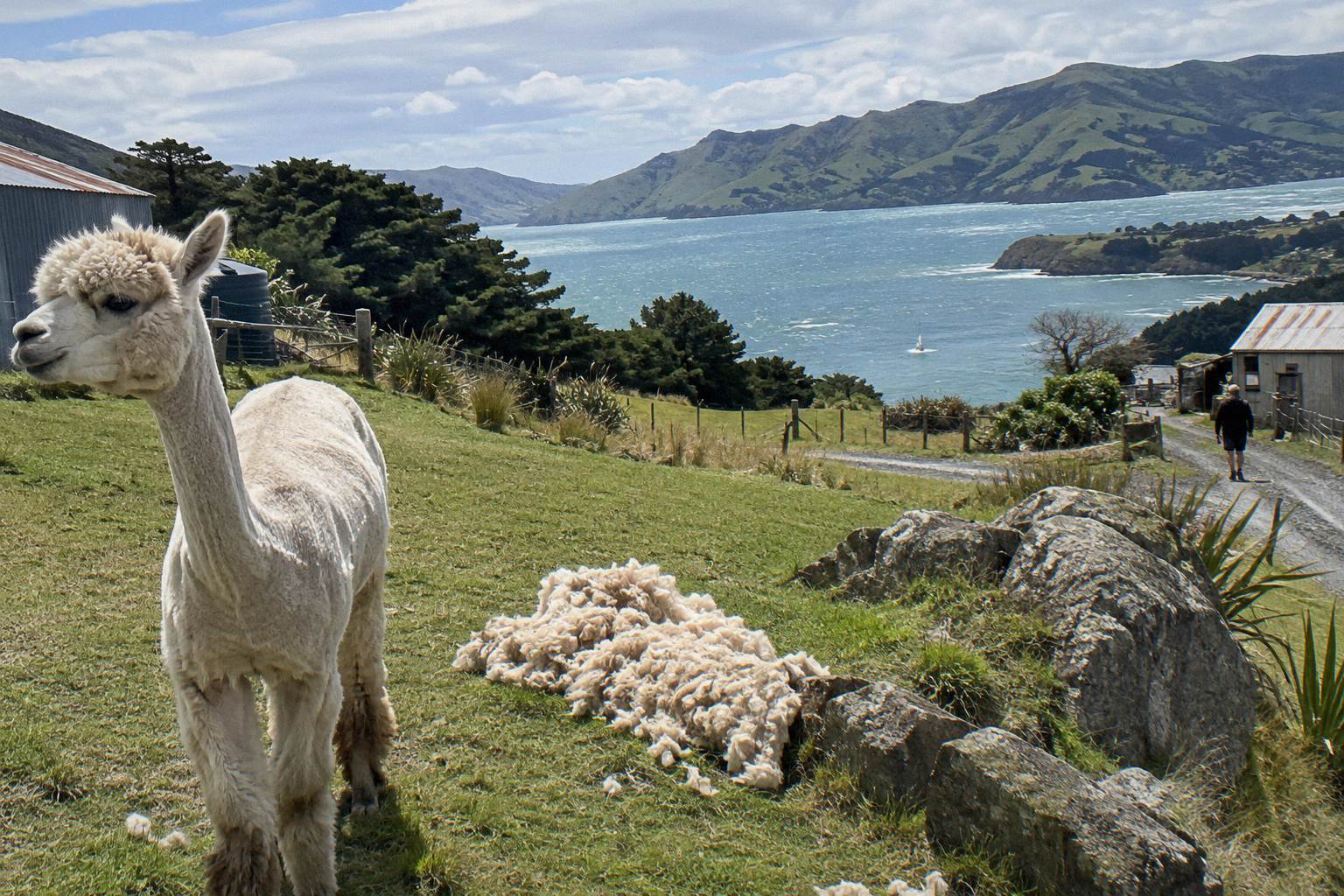
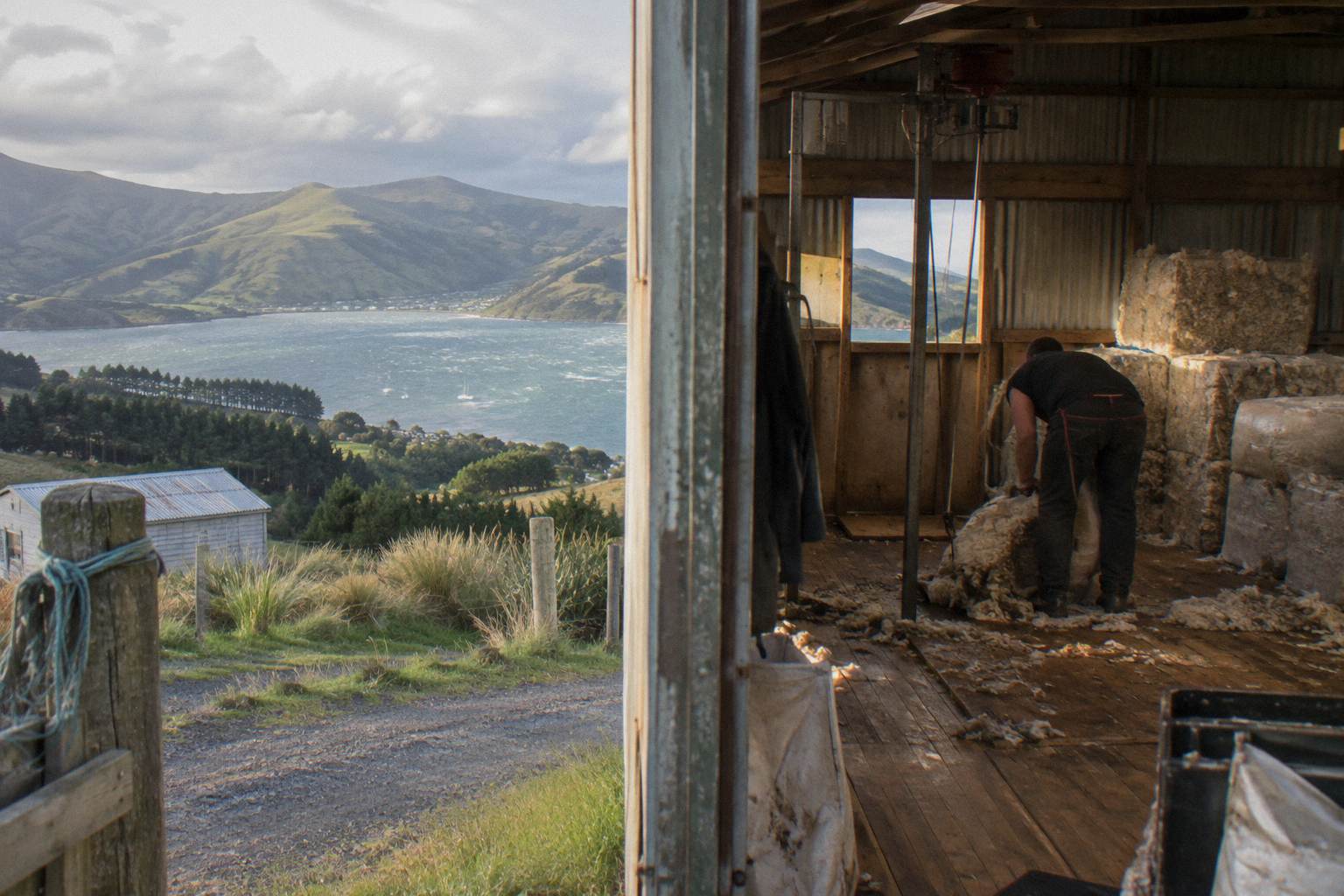
Alpacas are typically sheared once a year, in spring, according to general references on the species, and that is the one genuinely seasonal fact in this discussion. No source we hold publishes Shamarra's own shearing dates, and the operator's itinerary makes no shearing promise, so do not plan an Akaroa visit around watching a shearing.
The shearing fact is species-level background, not a farm schedule. General references on the alpaca note that these domesticated South American camelids are kept in herds, that their fibre is used for knitted and woven items much like sheep's wool, and that the annual clip usually happens in spring. Two breeds exist, the Huacaya with crimped fibre and the Suri with straight locks. None of that tells you which week a particular farm brings in the shearer, and printing a fake date would be worse than printing none.
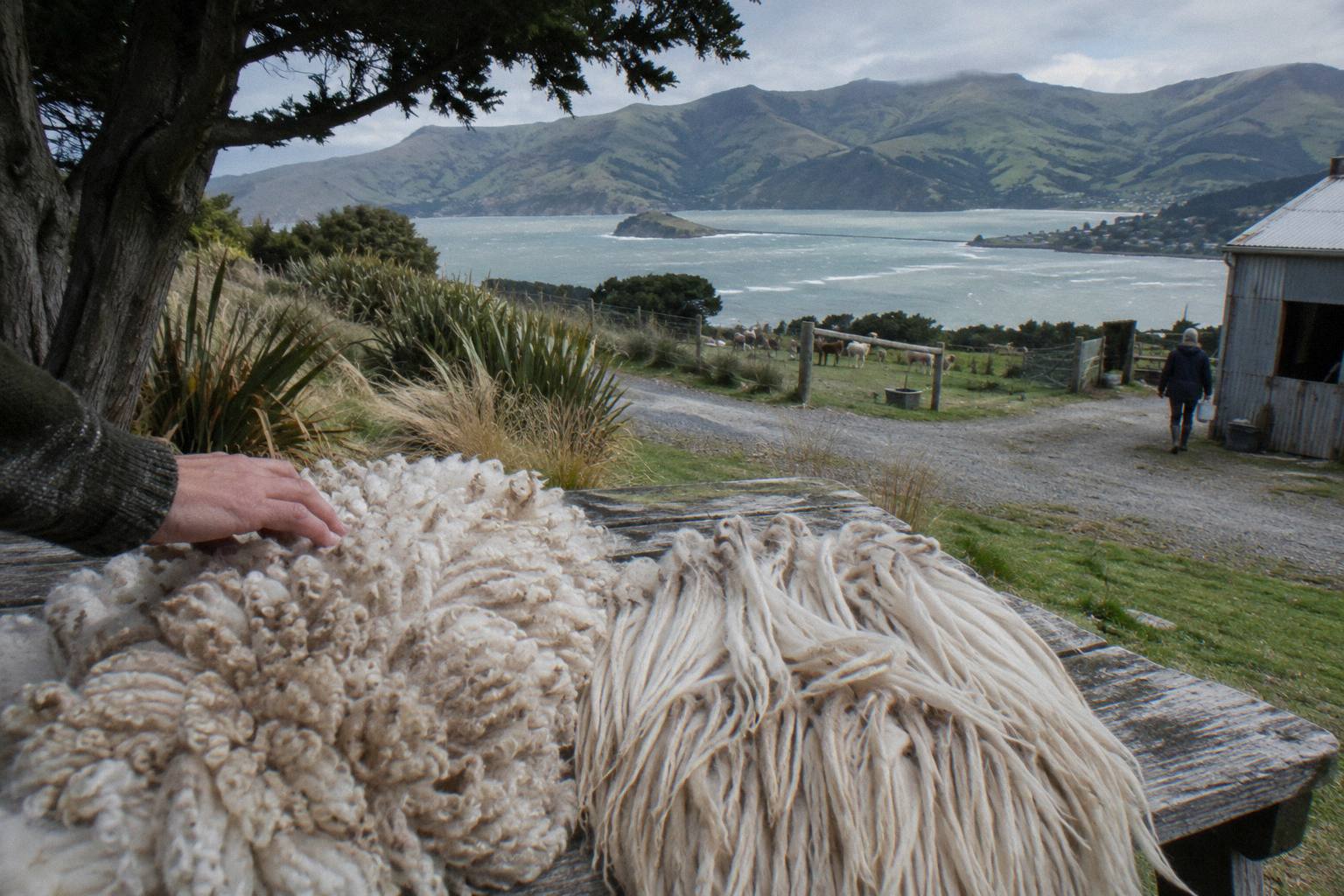
What the operator's itinerary does promise is fleece-related, and it runs all year: award-winning fleece on display to feel at the start of the tour, before the walk through the herd. The farm was founded in 2004 with 5 alpacas and now keeps over 170, so the herd is large enough that visitors meet animals at every stage of coat growth, whatever the month. Tours run in English or Mandarin.
If fleece quality is your interest rather than the shearing spectacle itself, the end-of-tour shop matters as much as the paddock. It sells 100% dye-free, NZ-made knitwear, which is the fibre story in its finished form and available in every season. A spring visit might mean shorter coats on the animals; a late-winter visit means longer ones; the shop carries the same yarn either way.
What Days And Times Can You Actually Book?
Three slots exist each day: 11am, 1pm and 4pm, and each tour runs about one hour, so the whole visit fits inside any morning, afternoon or pre-dinner plan. The operator prices it at NZ$65 per adult, NZ$35 per child aged 3 to 15, and NZ$60 with NZ SuperGold, while the live listing shows a from-price of US$36 per person on a different basis.
Those operator prices come from the farm's own tour page and the US figure from the operator's live listing; the two are different bases and should never be converted against each other. The tour inclusions listed on the booking page are entry and admission, the guided tour, an opportunity to feed the alpacas, a beverage and a home-baked cookie, and access to the farm shop. No transport to the farm is provided, so your arrival time has to absorb the drive.
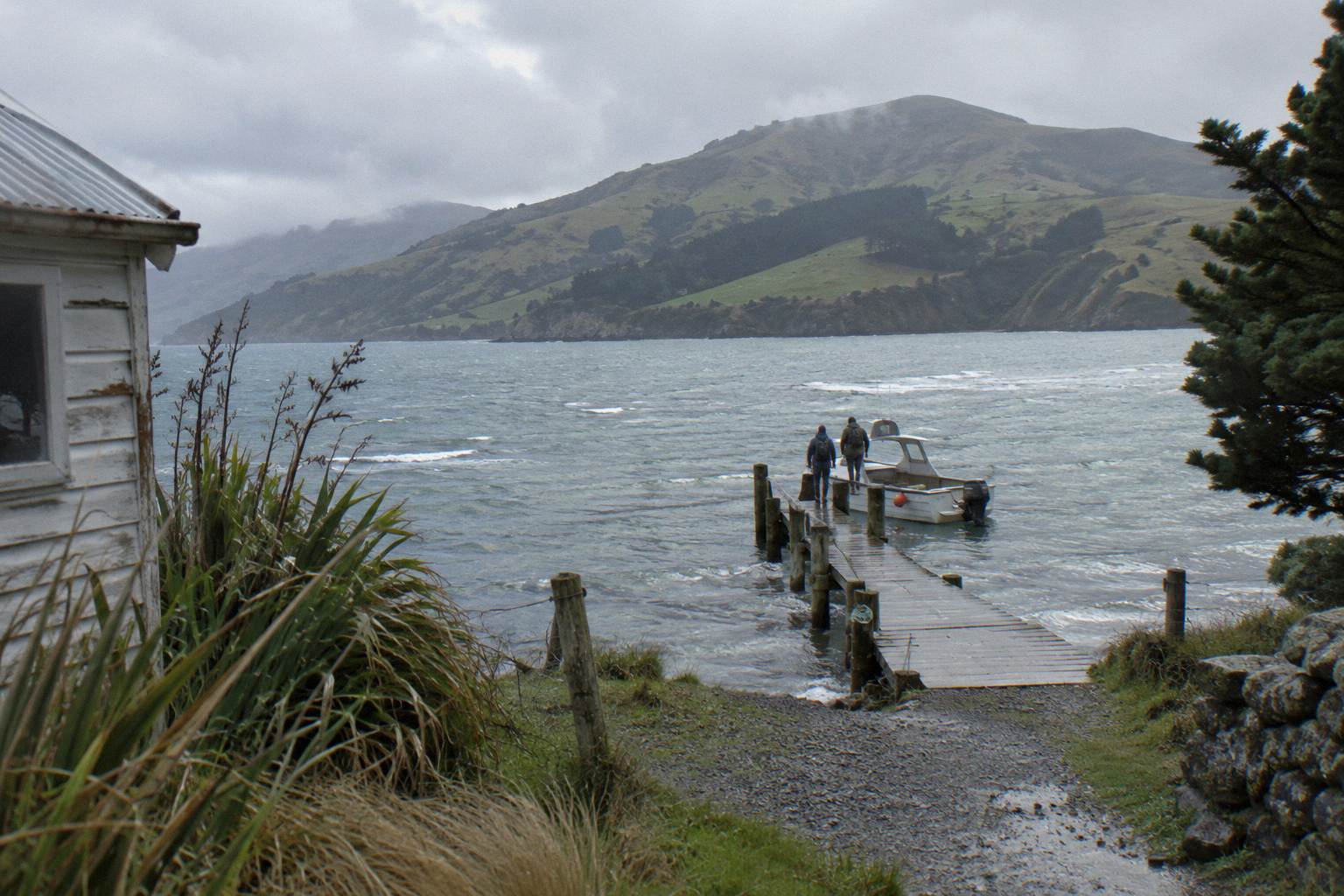
Choosing between the three slots is a small piece of day planning. The 11am tour pairs naturally with a morning drive out from Akaroa village or a late-morning arrival from Christchurch. The 1pm slot suits a lunch-then-farm afternoon. The 4pm slot is the one to watch, because it is the latest of the three and the only one that pushes toward evening, which matters more in winter when Banks Peninsula afternoons shorten. The operator publishes no view-quality or lighting claims for any slot, so pick by the shape of your day, not by an advertised golden hour.
Cancellation timing is the other fixed number. The booking page allows you to cancel up to 24 hours in advance for a full refund, which means a same-day decision to shift from 1pm to 4pm is not free if you have already booked. Book the slot you are confident about, and treat the 24-hour line as your real change deadline.
How Does A Cruise Day Change The Timing?
On cruise ship days the port runs differently from the village streets: ships anchor in the harbour and passengers tender ashore at Drummond's Jetty, about 180 metres north-east of the old Main Wharf, and that arrangement holds for the 2026/27 season while the wharf is rebuilt. Missing the tender detail is the classic timing mistake for cruise visitors.
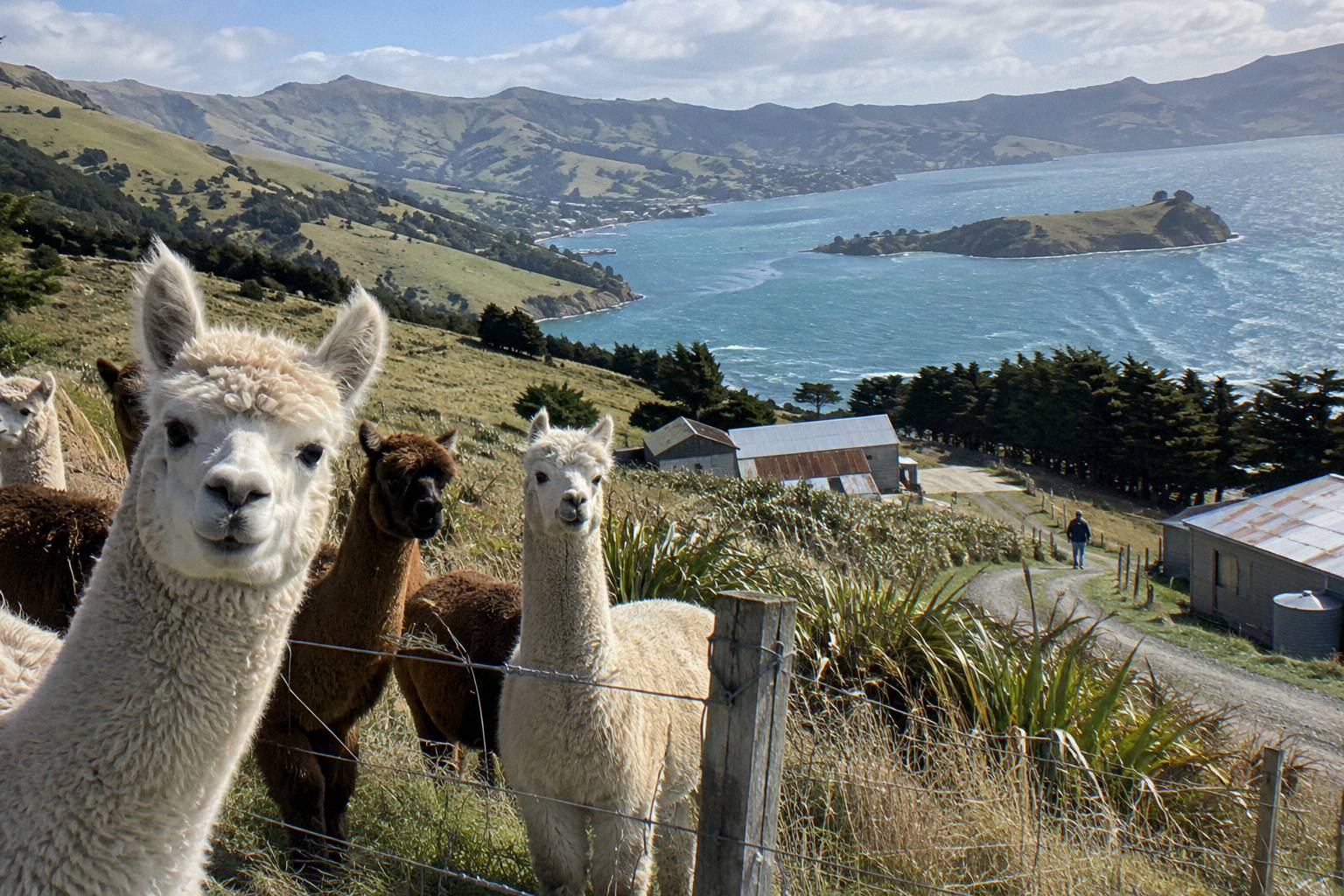
The Main Wharf is being demolished and rebuilt on the same site, a project the port authority expects to finish with the new wharf in service for the 2027/28 season. Until then, according to the port authority's Akaroa page, tenders use Drummond's Jetty, and a paid shuttle or hop-on hop-off bus runs from the wharf area on ship days. None of this changes the alpaca tour times, but it changes how long the shore end of your day takes.
Here is the arithmetic a cruise visitor has to do. The alpaca farm is about 20 minutes from Akaroa village, the tour runs about an hour, and no transport is provided, so a cruise passenger needs a tour slot, a vehicle plan and a tender buffer that all line up. The village also gets busy on ship days, which affects everything from parking to café queues. Our longer treatment of the question is in do cruise passengers have time for an Akaroa farm visit, which works the full timing chain.
The alternative for ship visitors is a tour that starts from the wharf area itself. The Akaroa Harbour And Sheep Farm Shore Excursion, rated 4.5 from 11 reviews, starts at 2:00pm from the Britomart Cannon on the waterfront beside the i-SITE, runs about 2.5 hours, and includes port pickup and drop-off plus a farm stop at Coombe Farm with sheep shearing and sheepdog work. It is a sheep-farm afternoon rather than an alpaca hour, but it removes the self-drive problem entirely.
When Should You Visit From Christchurch?
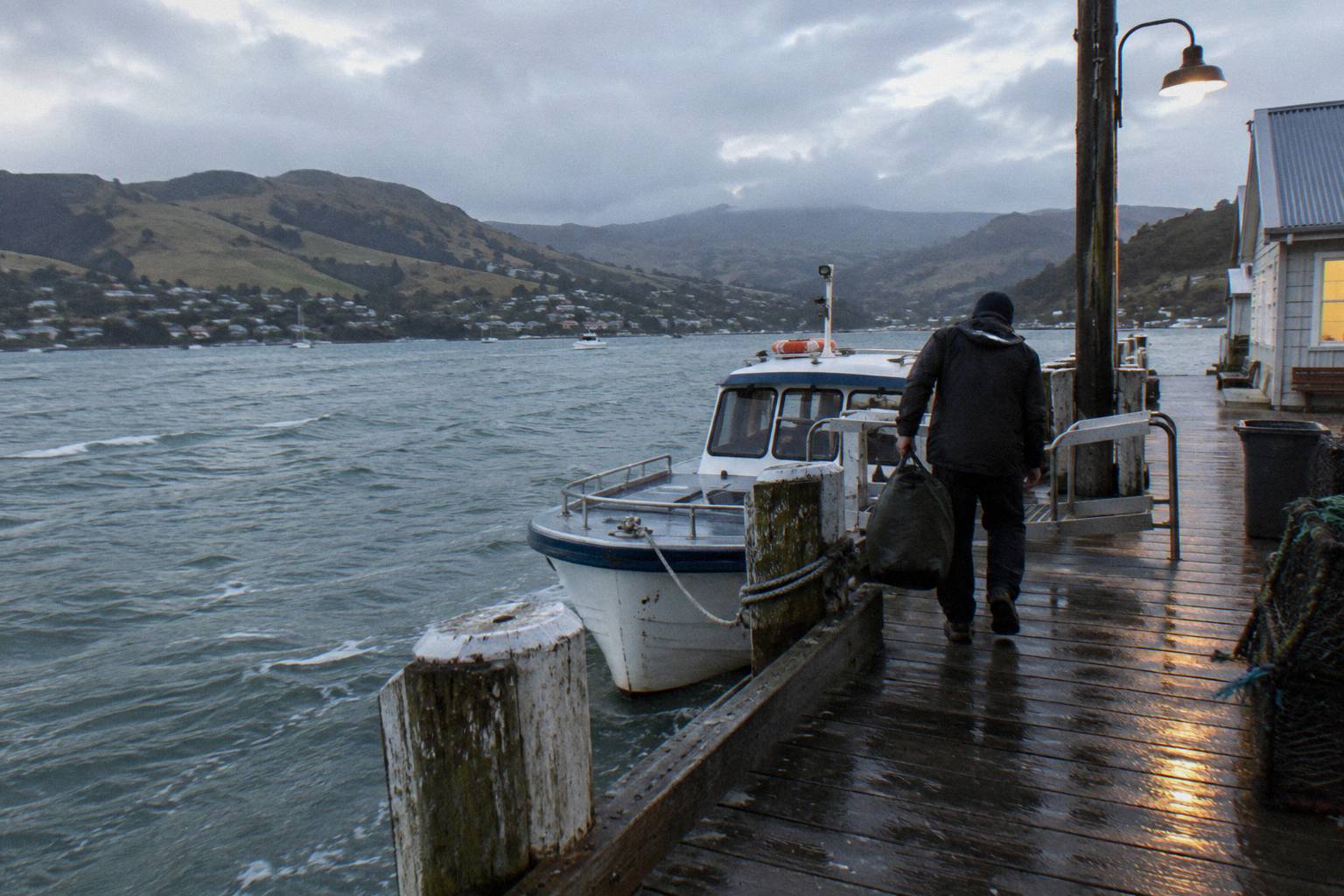
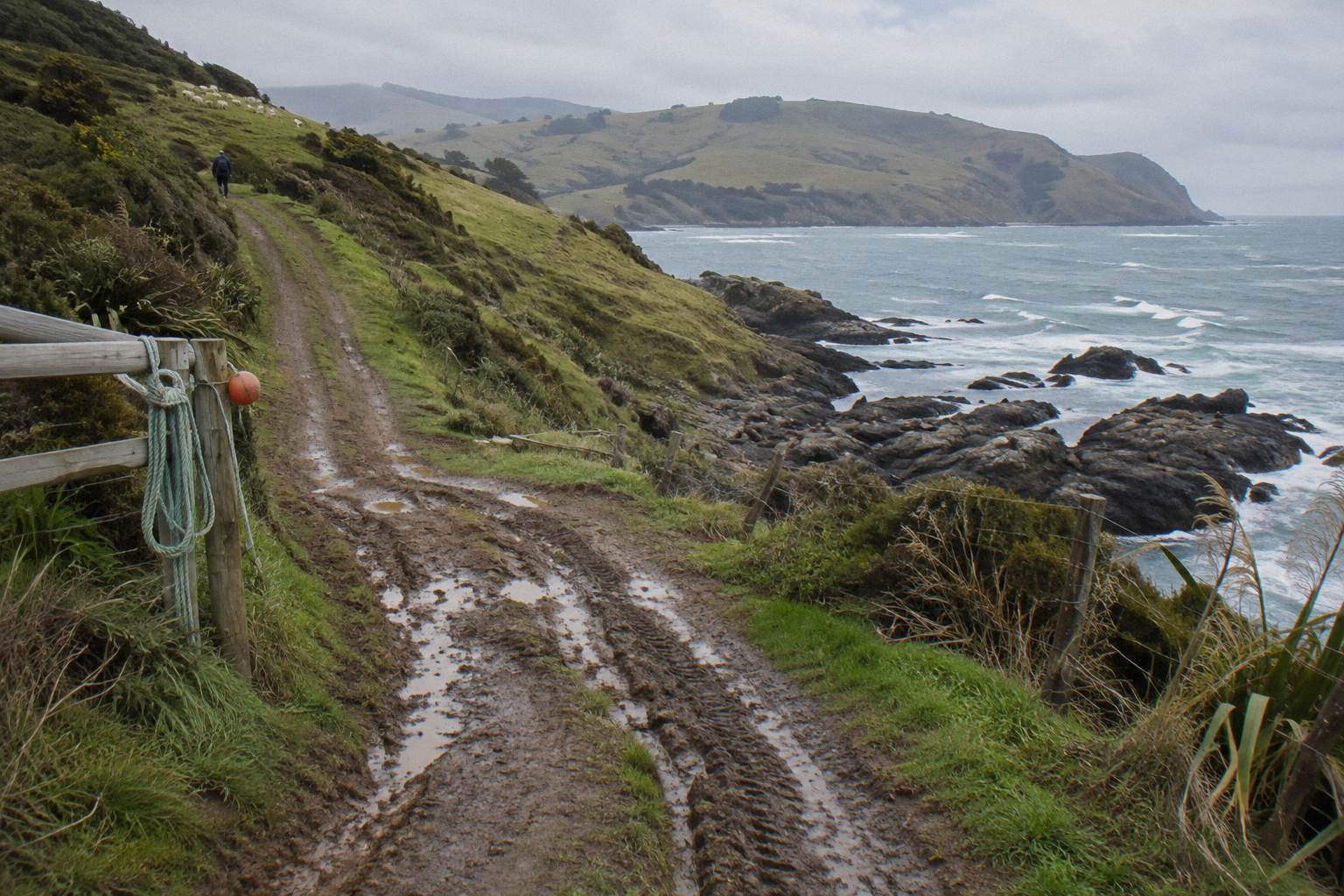
If you are timing the visit as a day out of Christchurch, plan on the drive first: the official visitor site gives about 75 km and roughly 90 minutes each way on State Highway 75, a sealed but winding road, while the farm operator gives 73 km and just over an hour from Christchurch Central to its own nearer farm gate. The alpaca slots then have to sit inside that.
Those two figures are both real and both official, from the Akaroa visitor site's planning page and from the farm's own page respectively; the farm is closer than the village, hence the shorter operator figure. Use them as given and do not average them. One practical note the visitor site adds: the last petrol before Akaroa is at Little River, so fuel timing is part of day-trip timing.
The 11am slot is the natural fit for a Christchurch morning, and the 4pm slot pushes the return drive into the evening, which in winter means some of it in the dark on a winding road. The 1pm slot splits the difference and buys you a relaxed morning departure. None of this is stated policy, it is arithmetic on published numbers, and it is the honest way to answer the timing question for day-trippers.
| Christchurch day-trip timing | 11am tour | 1pm tour | 4pm tour |
|---|---|---|---|
| Latest sensible city departure | Mid-morning | Late morning | Early afternoon |
| Tour window | 11am to about noon | 1pm to about 2pm | 4pm to about 5pm |
| Return drive character | Daylight both ways | Daylight both ways | Evening leg in winter |
| Buffer for the winding road | Needed | Needed | Needed most |
If self-driving the whole shape of the day does not appeal, there is a packaged route. The Full Day Akaroa Day Trip From Christchurch With Alpaca Farm And Harbour Cruise, run by Silver Fern Luxury Tours, is an 8-hour private day with pickup and drop-off at your Christchurch accommodation, a Banks Peninsula scenic drive, the Shamarra alpaca stop, free time in Akaroa town, and a harbour and dolphin cruise. It is a new listing with no rating yet, carries a from-price of US$165 per person on a private-group basis with a minimum booking equal to four adult fares, and the listing excludes tour activity costs and lunch, so check what is covered before booking. That tour is covered in more detail in our Christchurch to Akaroa farm day tour guide.
How Far Ahead Should You Book?
The operator says bookings are essential, and the cancellation line is 24 hours for a full refund, which together define your booking window: reserve as soon as your dates are firm, and treat the day before your tour as the last free exit. No source publishes group sizes or sell-out patterns, so there is no honest "book X weeks ahead" number.
This is one of those timing questions where the internet is full of invented confidence and short on stated facts. What can be printed is narrow: bookings essential, from the operator's own page; cancel up to 24 hours in advance for a full refund, from the booking page; wheelchair and pushchair accessible, from the same listing. What is not stated anywhere we hold: group size limits, per-slot capacity, advance-booking windows, or a busy-season sell-out pattern. A reader who needs certainty should book early and then stop worrying, because the 24-hour refund covers a change of plan.
The same logic applies to the alternatives in this article. The shore excursion and the Pohatu Penguins scenic nature tour both carry the same 24-hour full-refund line, and the Pohatu tour adds a sharper edge: no refund inside 24 hours unless the local partner cancels. That tour, rated 4.8 from 136 reviews, runs 2 or 4 hours and is not suitable for wheelchair users or people with mobility impairments, so its booking decision carries a real deadline. Booking discipline, not calendar month, is the constraint these tours share.
One more angle on "when": the time of year can quietly change how far ahead you need to book, simply through demand. A visit timed to a cruise-heavy stretch or a school holiday competes with more travellers for the same three daily slots, even though no source quantifies that. The safe rule stays the same either way: lock the slot when the day is locked.
What Time Of Day Works Best?
The three daily times are functionally identical on paper, the same one-hour itinerary at 11am, 1pm and 4pm, and the operator makes no promise that any slot is better for photos, feeding or weather. The honest differentiators are your own schedule, the drive, and in winter the shrinking afternoon behind the 4pm slot.
Feeding happens on every tour, not a favoured one. The itinerary lists feeding the mothers with young as a standard stage, alongside the herd walk and the fleece display, so a visitor choosing 11am over 4pm for feeding reasons is choosing on nothing. Behaviourally, general references on alpacas note they are social herd animals living in family groups and communicate through body language; the safety briefing at the start of every Shamarra tour is the operator's own line, not a seasonal extra. None of that varies by hour.
What does vary by hour is everything around the farm. The 11am tour leaves the whole afternoon free for Barrys Bay Cheese, whose factory at Duvauchelle, per its own history page, won the Bledisloe Cup at the British Dairy Show in 1950 and still makes cheese in a factory with a public viewing window. The 1pm tour pairs with a village lunch. The 4pm tour suits visitors already on the peninsula, and it hands you the shop, with its dye-free knitwear, at closing time, which is either perfect or the last thing you need. More on the feeding question is in can you hold and feed alpacas in Akaroa.
The other honest note: alpacas can spit, mostly at each other and occasionally at a person, and general references describe the warning signs, air blown out, head raised, ears pinned back. The operator's safety briefing covers how to behave around the herd, and it runs at all three times equally. Choosing a slot to dodge a spitting alpaca is not a strategy the facts support; keeping a respectful distance, per the briefing, is. For visitors weighing this stop against others, the alpaca farm or sheep farm comparison puts the two experiences side by side.
Whatever slot and season you land on, this site, Akaroa Farm Tour, keeps the published timing facts for every farm visit in one place, so the decision rests on stated schedules rather than guesswork.
Common Questions About Alpaca Farm Timing
When Should You Visit An Alpaca Farm?
Any day except Christmas Day works: the Shamarra Alpaca Farm Tour runs at 11am, 1pm and 4pm seven days a week, year round, with bookings essential. Choose your time by the shape of your day, not the calendar month.
Is There A Best Season For Alpacas In Akaroa?
No seasonal calendar exists in any published source. The farm is open year round with the same daily times, and no weather limits or seasonal closures are stated beyond Christmas Day.
Can You Watch Shearing On An Akaroa Alpaca Tour?
Alpacas are typically sheared once a year in spring, per general references, but no Akaroa farm publishes shearing dates and no tour here promises a shearing display. The itinerary does include fleece on display to feel.
How Far In Advance Should You Book?
The operator states bookings are essential, and the booking page allows cancellation up to 24 hours ahead for a full refund. Book as soon as your dates are firm; no source states group sizes or sell-out windows.
Do Cruise Passengers Have Time For An Alpaca Farm Visit?
Ships anchor and tender to Drummond's Jetty, about 180 metres from the old Main Wharf site, for the 2026/27 season. With the farm 20 minutes from the village and no transport provided, a cruise visit needs a slot, a vehicle and a tender buffer that all line up.
Which Time Of Day Is Best, 11am, 1pm Or 4pm?
The itinerary is the same at all three times, including the feeding opportunity. The real differences are your own schedule, the drive, and winter light on the road after a 4pm tour.