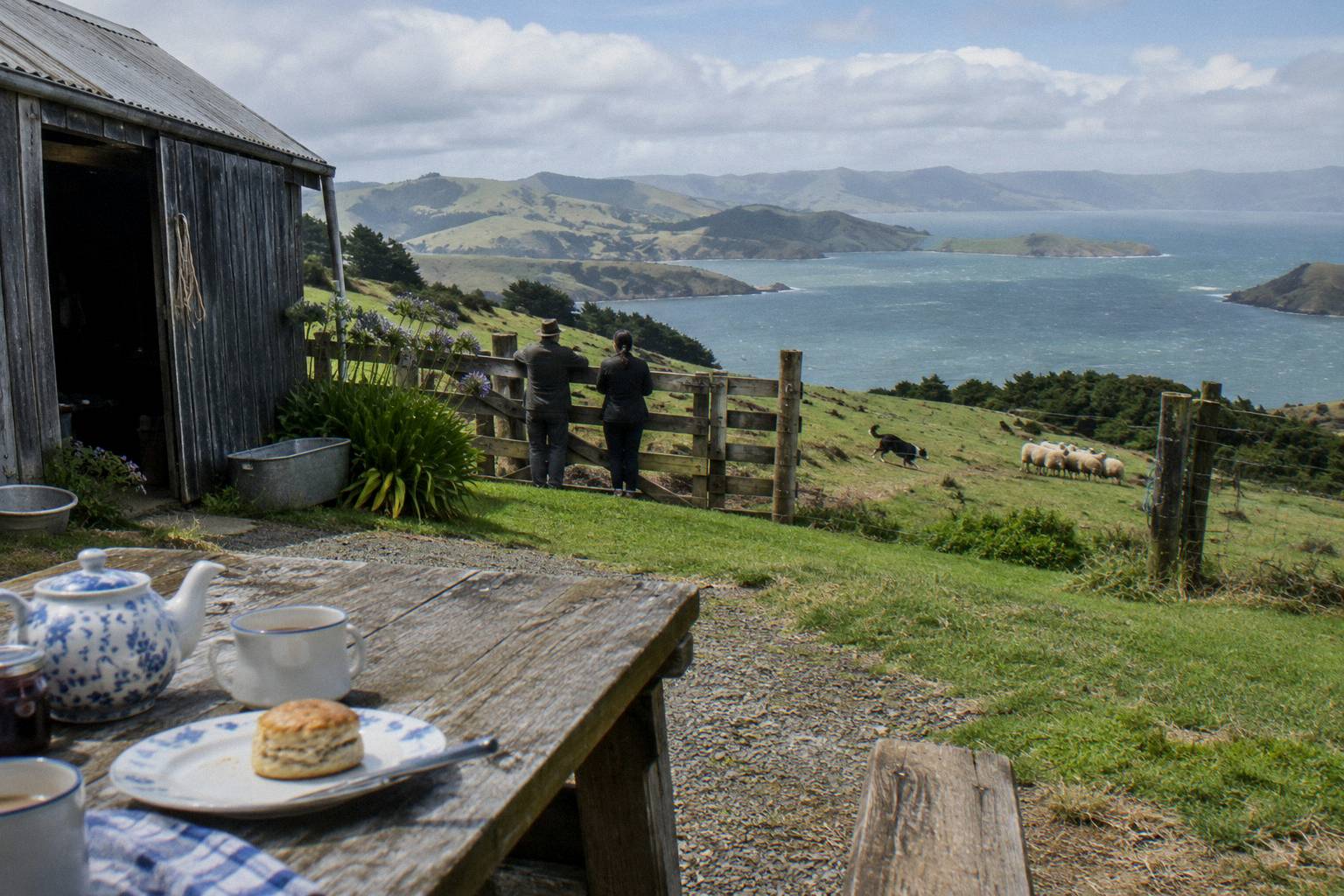
What To Wear On An Akaroa Farm Visit
No Akaroa farm operator publishes dress guidance, so this page works from what each visit actually involves: walking through an alpaca herd, a 60-minute sheep farm stop with shearing and sheepdogs, and a 4WD track to a crater rim lookout at 700 metres.
Short answer
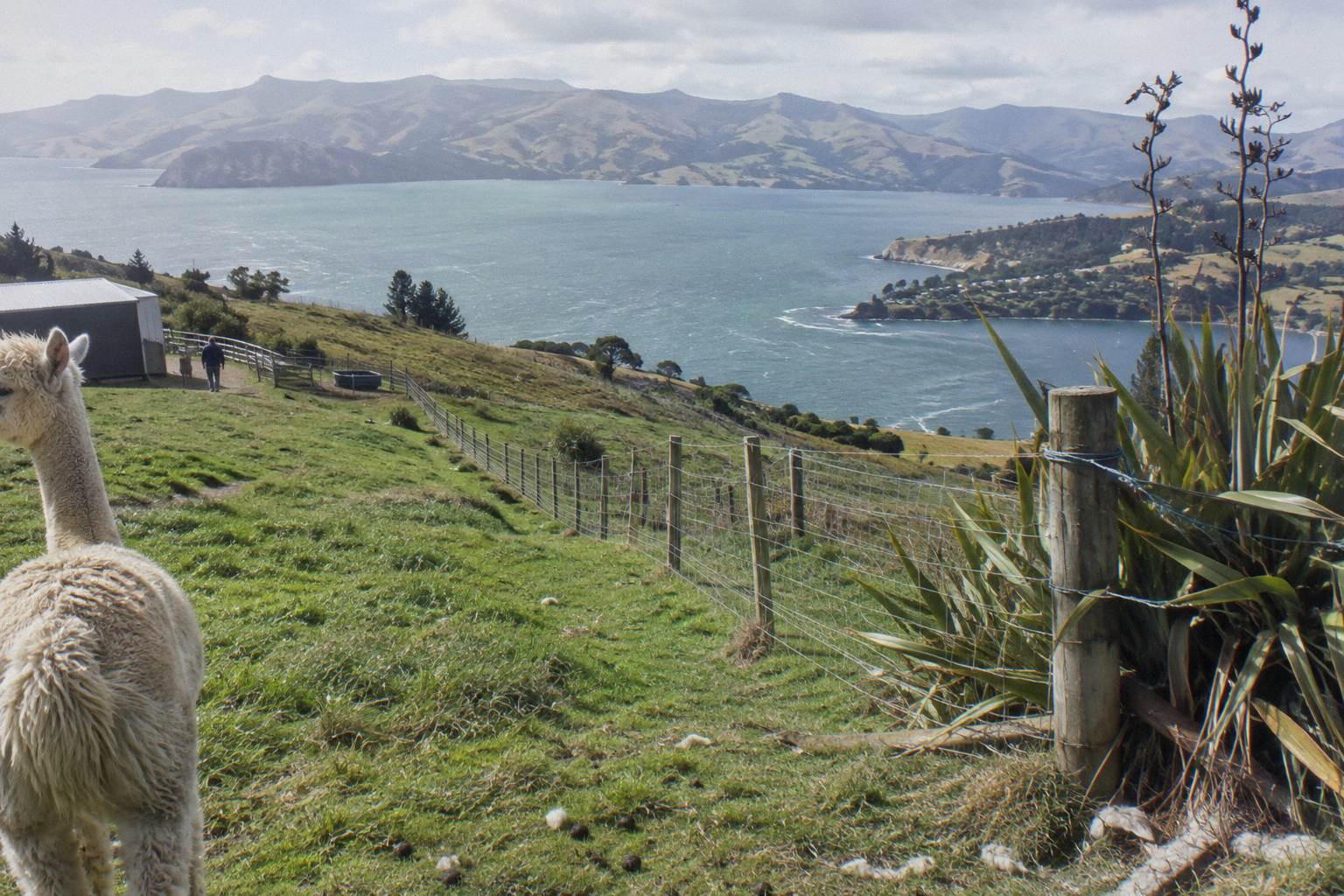
No Akaroa farm operator states dress guidance. Plan around the activities instead: an hour outdoors among alpacas, a 60-minute sheep farm stop, and a 4WD track to a 700 m lookout. Closed shoes that can take grass and gravel, layers you can shed, and something warm for exposed harbour and hilltop stops cover every tour on this site.
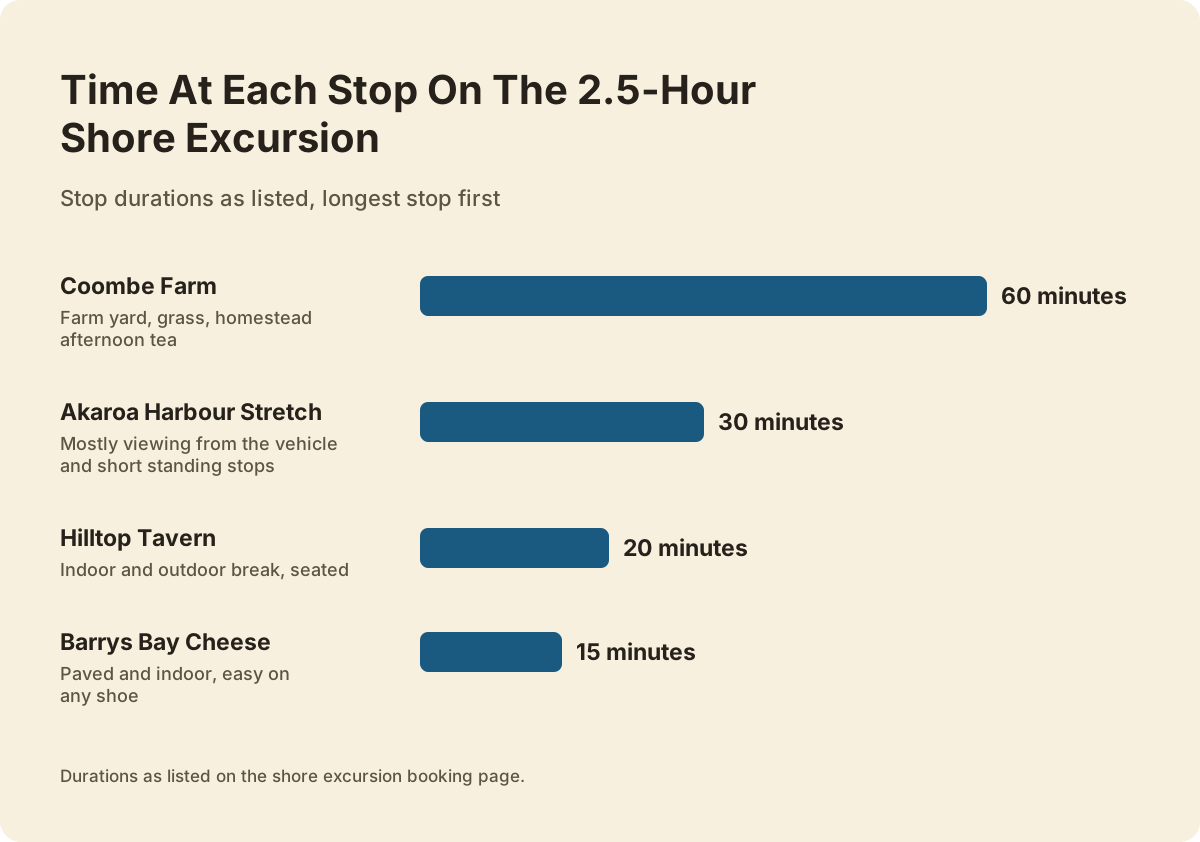
Ships anchor in Akaroa Harbour and passengers tender ashore; the shore excursion meets at the Britomart Cannon on the waterfront, beside the i-SITE. From there it is a 30-minute harbour stretch, 20 minutes at Hilltop Tavern, 15 at Barrys Bay Cheese and a full 60 minutes at Coombe Farm, the farm stop with the shearing demonstration and sheepdog work. That single afternoon covers more standing, walking and farm-surface time than most visitors expect, which is why the clothing question comes up before almost every booking.
One honest starting point: none of the operators covered on this site publishes dress guidance. Shamarra Alpaca Farm Tours describes its itinerary, times and prices in detail on its own farm tour page and says nothing about what to wear; the shore excursion and Pohatu bookings likewise list inclusions and stops but no clothing notes. So this page does what the listings do not: it works through each stated activity, describes the surfaces and settings involved, and gives plain common-sense framing for each. If you are still weighing which visit suits you, our alpaca farm versus sheep farm comparison covers the choice before the wardrobe.
What Should You Wear On An Akaroa Farm Visit?
Plan for three settings in one day: a grassed paddock among animals, a hillside farm stop of about an hour, and exposed viewpoints over the harbour and crater rim at 700 metres. Closed, comfortable shoes you can walk on grass and gravel in, layered clothing you can take off or put on as the stops change, and a warm outer layer for the higher stops cover all four tours listed on this site.
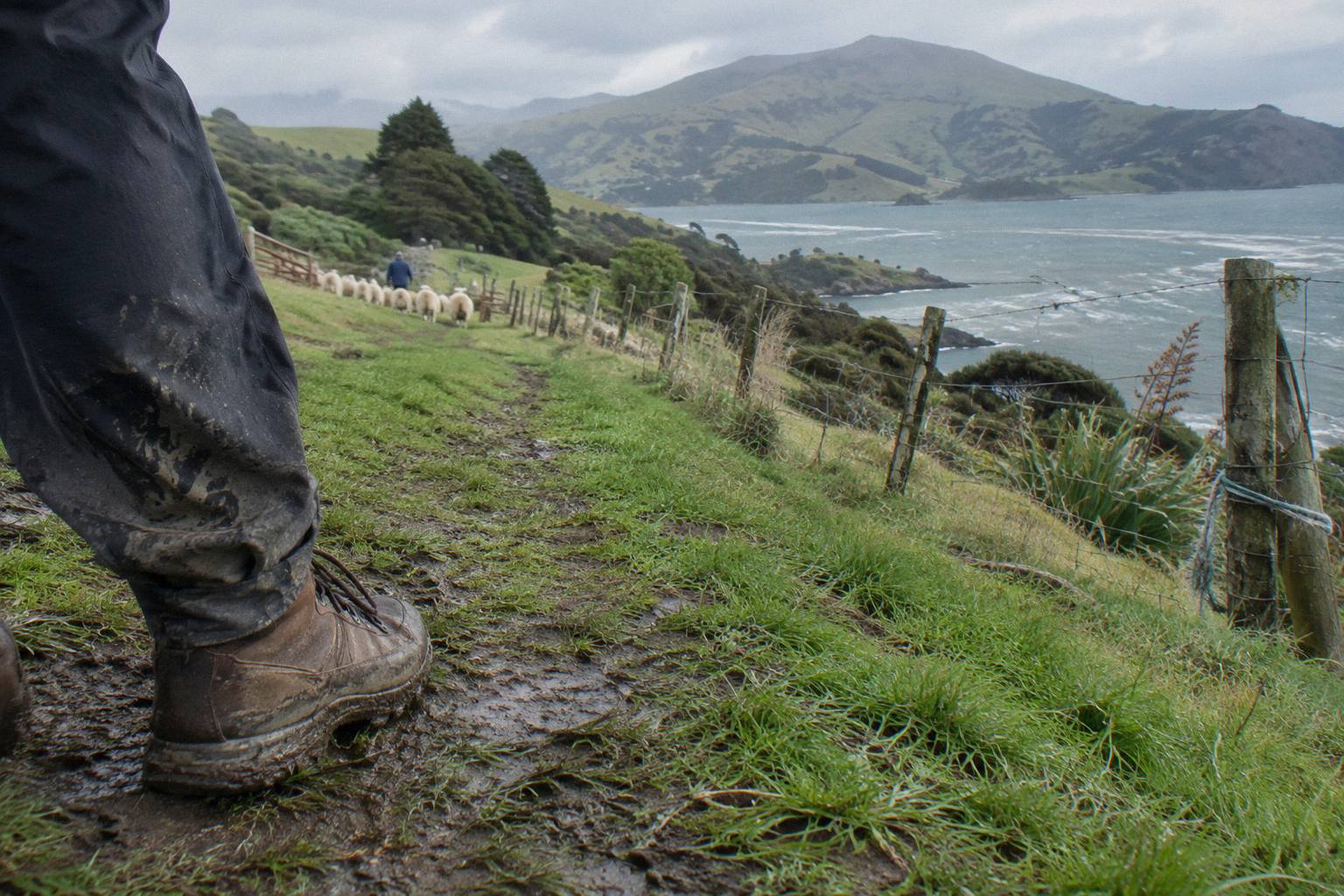
The reason layers matter here is not a weather statistic, it is the shape of the day. Banks Peninsula is formed from two now-extinct volcanoes, and Akaroa Harbour sits inside one of them, so most farm visits move between sheltered water-level ground and exposed ridge or hillside stops within a couple of hours. The Pohatu tour makes that explicit: its listed stops include Pohatu Bay, a working sheep farm and penguin colony at water level, then a crater rim lookout at 700 m, reached by 4WD minivan with photo stops. Standing still for photos at a lookout is a different clothing problem from walking through a herd, and the tour gives you both.
Footwear is the single item worth the most thought. Every visit here puts you on ground that is not pavement: the Shamarra itinerary includes a walk through the herd and feeding the mothers with young, which happens on farm ground, and the shore excursion's Coombe Farm stop runs 60 minutes on a working property. Grass, gravel, and the odd patch that animals have been standing on are the normal surfaces. Shoes you can walk an hour in, that you would not be upset about picking up a little paddock dust on, are the ones to bring.
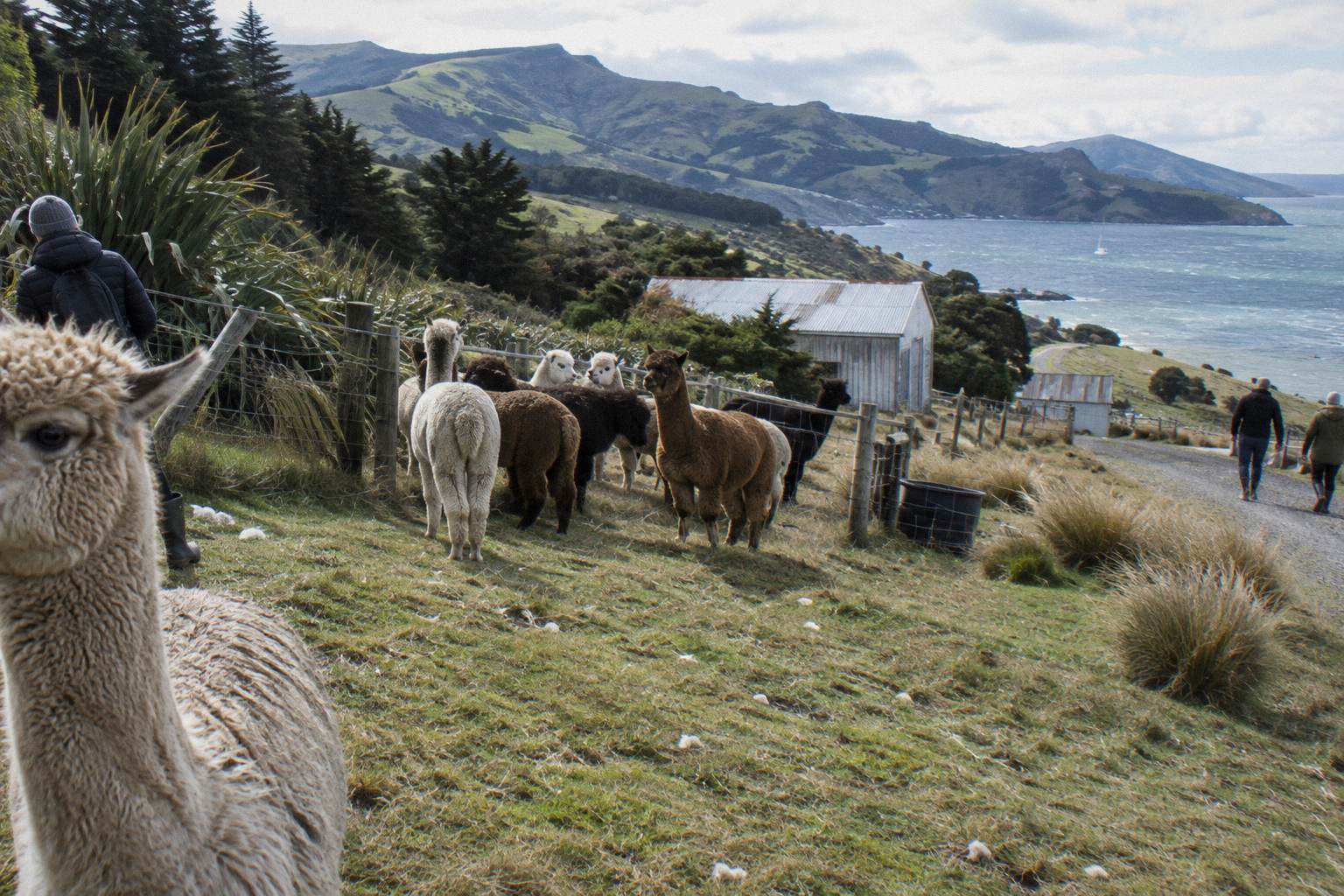
Beyond that, keep it simple. Long trousers rather than shorts is ordinary farm-visit practice, simply because you will be near fences, grass and animals; a warm layer for the exposed stops; and something for the sun, since the harbour setting means long stretches outdoors with little shade at the lookout stops. Nothing exotic, nothing specialised. If your visit is part of a cruise day, our piece on whether cruise passengers have time for a farm visit helps with the timing side of the packing puzzle.
What Is The Ground Like At Each Farm Stop?
Each visit has its own surface story: Shamarra is a guided walk through paddocks on a working alpaca farm about 20 minutes from Akaroa village, the Coombe Farm stop is 60 minutes on a sheep property reached by air-conditioned vehicle, and Pohatu Bay combines a farm and penguin colony at the end of a 4WD track, followed by a climb to a lookout at 700 metres.
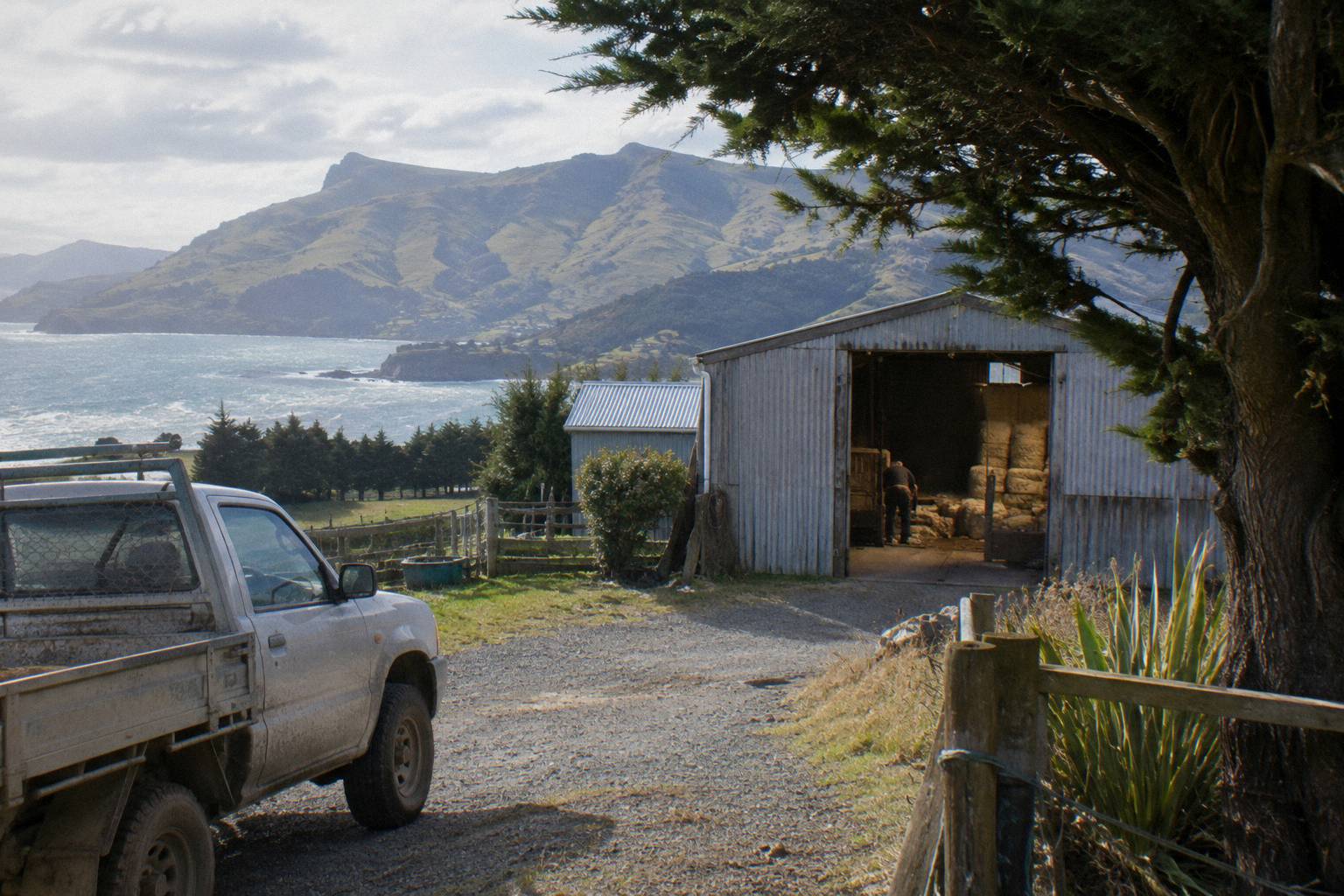
Start with the stop you will spend longest on. The shore excursion's booking page allocates 60 minutes at Coombe Farm, longer than any other single stop, and that hour includes a sheep shearing demonstration and sheepdog work alongside the afternoon tea. You will be standing, watching and moving around a farm yard and homestead area for much of it. Coombe Farm's own site presents it as a bed and breakfast and guesthouse in the Takamatua Valley, and the shearing and sheepdog visits exist only through the shore-excursion booking, so the practical takeaway for clothing is simply: this is a working property, not a showgrounds, and you dress for a farm.
| Stop | Setting | Time on the booking page | What your feet and clothes deal with |
|---|---|---|---|
| Shamarra Alpacas, 328 Wainui Main Road | Hillside alpaca farm, harbour views, about 20 minutes from Akaroa village | About 1 hour total tour | Paddock walking through the herd, feeding the mothers with young |
| Akaroa Harbour stop | Waterfront drive and viewpoints | 30 minutes | Mostly viewing from the vehicle and short standing stops |
| Hilltop Tavern | Sheltered stopping point | 20 minutes | Indoor and outdoor break, seated |
| Barrys Bay Cheese | Cheese factory and shop, Duvauchelle | 15 minutes | Paved and indoor, easy on any shoe |
| Coombe Farm | Working sheep property, Takamatua Valley | 60 minutes | Farm yard, grass, homestead afternoon tea |
| Pohatu Bay and crater rim | Farm and penguin colony at water level, lookout at 700 m | 2 or 4 hours total | 4WD track, photo stops, exposed hilltop standing |
The Shamarra hour is the gentlest of these on footwear but still a paddock walk. The operator's itinerary runs from a brief intro and safety briefing, through fleece on display to feel, into the walk through the herd and feeding the mothers with young, ending with a beverage and a home-baked cookie and the farm shop. Wheelchair and pushchair access is listed on the booking page, which tells you the ground is not a mountain track; but it remains a farm, and the herd walk is outdoors on grass.
Pohatu is the outlier in every clothing sense. The vehicle is a 4WD minivan, the stops are working-farm and hillside locations, and the tour states plainly that it is not suitable for wheelchair users or people with mobility impairments. Clothing-wise that points to the sturdiest shoes of any visit here, and the warmest layer, because the crater rim lookout sits at 700 metres and the tour spends time standing at photo stops rather than walking long distances. For more on the choices between visits, see our guide to Banks Peninsula farm visits.
Each asks something different of your shoes and layers, and the sections below take them one at a time.
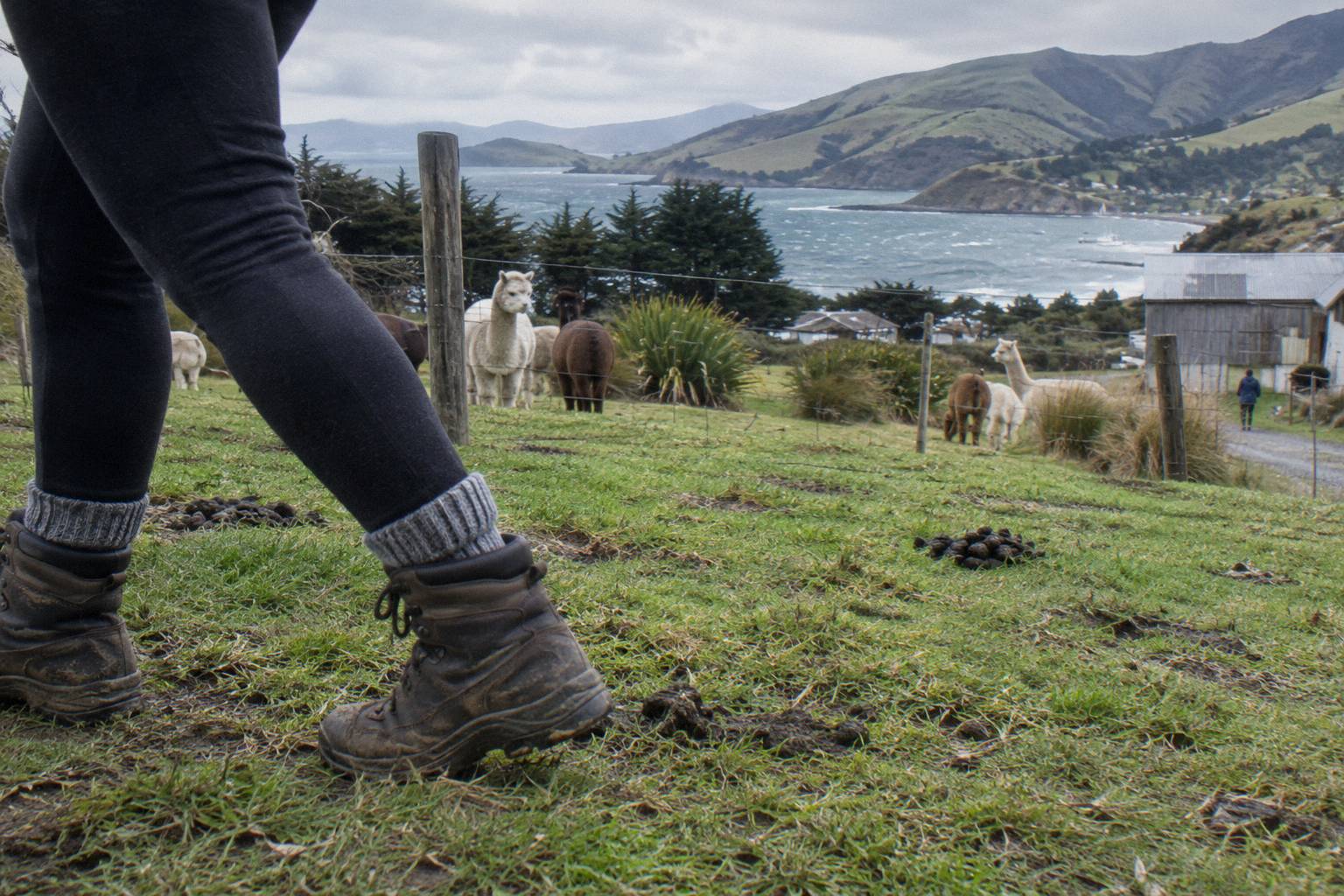
Which Shoes Work For Paddocks, Tracks And The Crater Rim?
Closed walking shoes or light trainers handle Shamarra and the shore excursion's farm stop; the Pohatu tour, with its 4WD track and crater rim lookout at 700 metres, is the one visit where something with more grip and ankle support is worth choosing. No operator names a required shoe, this is common-sense advice from the stated activities alone.
For the alpaca hour, the case is easy. The Shamarra tour is about 1 hour, the walking is through paddocks on a property the booking page describes as wheelchair and pushchair accessible, and the pace is set by a guided walk and a feeding stop. Everyday closed shoes are fine. What you want to avoid is the shoe that is uncomfortable on grass or that you would be precious about, because the herd walk and the feeding are the heart of the visit and you will not want to hang back from them to keep shoes clean.
The shore excursion sits in between. The booking page includes an air-conditioned vehicle for the whole loop, so the walking is limited to the stops: 30 minutes around the harbour stretch, 20 at Hilltop Tavern, 15 at Barrys Bay Cheese and the hour at Coombe Farm. Comfortable everyday shoes cover all of it. Barrys Bay Cheese, by the way, is an easy stop for any footwear: the factory site dates to 1895, the current building to 1953, and today it runs a single vat with a viewing window between the shop and the factory, all indoor and paved.
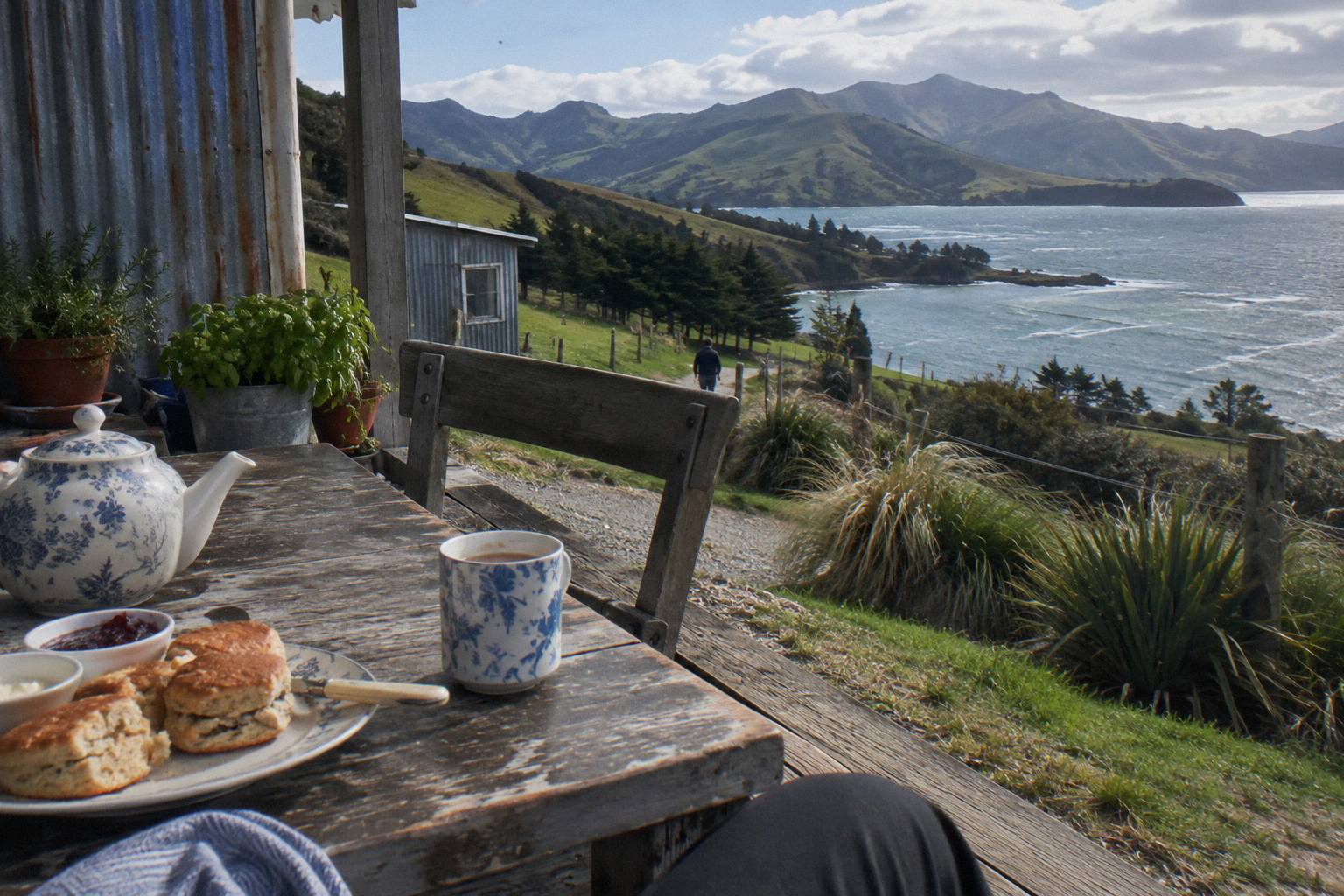
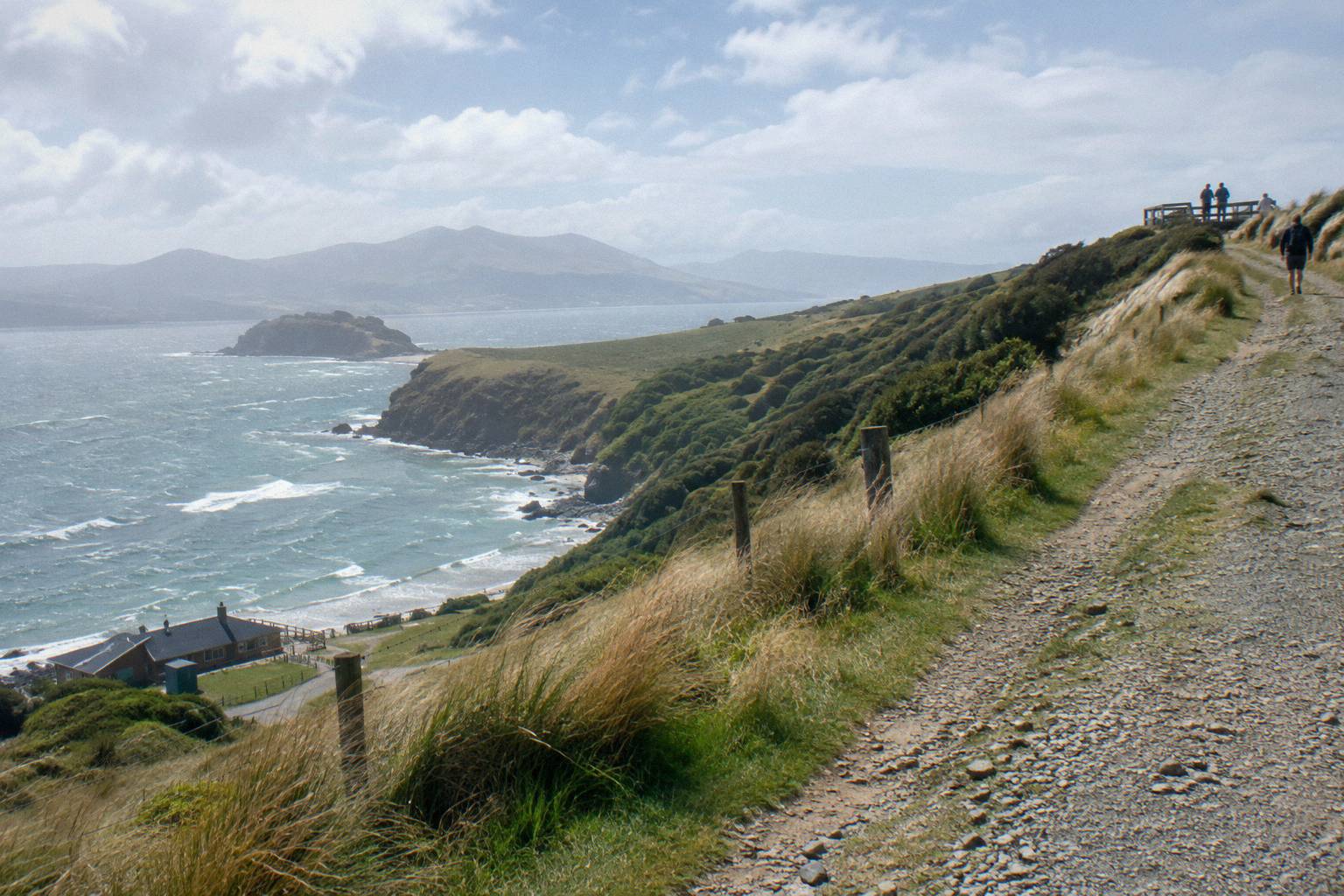
Pohatu is where shoe choice genuinely changes the day. The tour lists 4WD minivan transport with photo stops, Pohatu Bay at water level, the crater rim lookout at 700 m, and, on the 4-hour version, Akaroa Heads Lighthouse Reserve. You are not hiking the distance, the vehicle covers that, but you are stepping out onto unmade ground at each stop and standing around at height while the guide gives live commentary. Shoes with a real tread, and ideally some ankle support if you have them, are the sensible call. If you are still deciding between the Pohatu tour and the farm-show excursion, our Akaroa shearing show guide lays out the difference.
To put the shoe decision side by side, this table summarises what each tour asks of your feet, using only the details each listing actually states:
| Tour | Stated transport | Longest walking or standing element | Shoe that matches it |
|---|---|---|---|
| Shamarra Alpaca Farm Tour | None provided, self-drive to the farm gate | Guided paddock walk through the herd, about 1 hour total | Comfortable closed trainers |
| Akaroa Harbour And Sheep Farm Shore Excursion | Air-conditioned vehicle, port pickup and drop-off | 60-minute Coombe Farm stop, outdoor demonstration and homestead tea | Closed walking shoes |
| Pohatu Penguins Scenic Nature Tour | 4WD minivan with photo stops | Standing at water-level and 700 m lookout stops, 2 or 4 hours | Shoes with grip and ankle support |
| Full Day Akaroa Day Trip From Christchurch | Private vehicle, accommodation pickup and drop-off | Alpaca paddock hour plus town free time and a harbour cruise | Closed walking shoes plus boat-suitable grip |
The shore excursion is rated 4.5 from 11 reviews, a small base worth knowing about, and its booking page allows cancellation up to 24 hours in advance for a full refund, so the wardrobe decision does not need to hold up the booking decision. Check availability if the 2:00pm start works with your day, and read on for the layering question.
How Should You Layer For Harbour And Hilltop Stops?
Dress in layers you can remove and put back on at each stop, because every tour here moves between sheltered water-level ground and exposed high or open viewpoints within a couple of hours: harbour drives, a crater rim at 700 metres, and open paddocks above the water. A base layer, a warm mid layer and a wind-resistant outer layer cover all four tours.
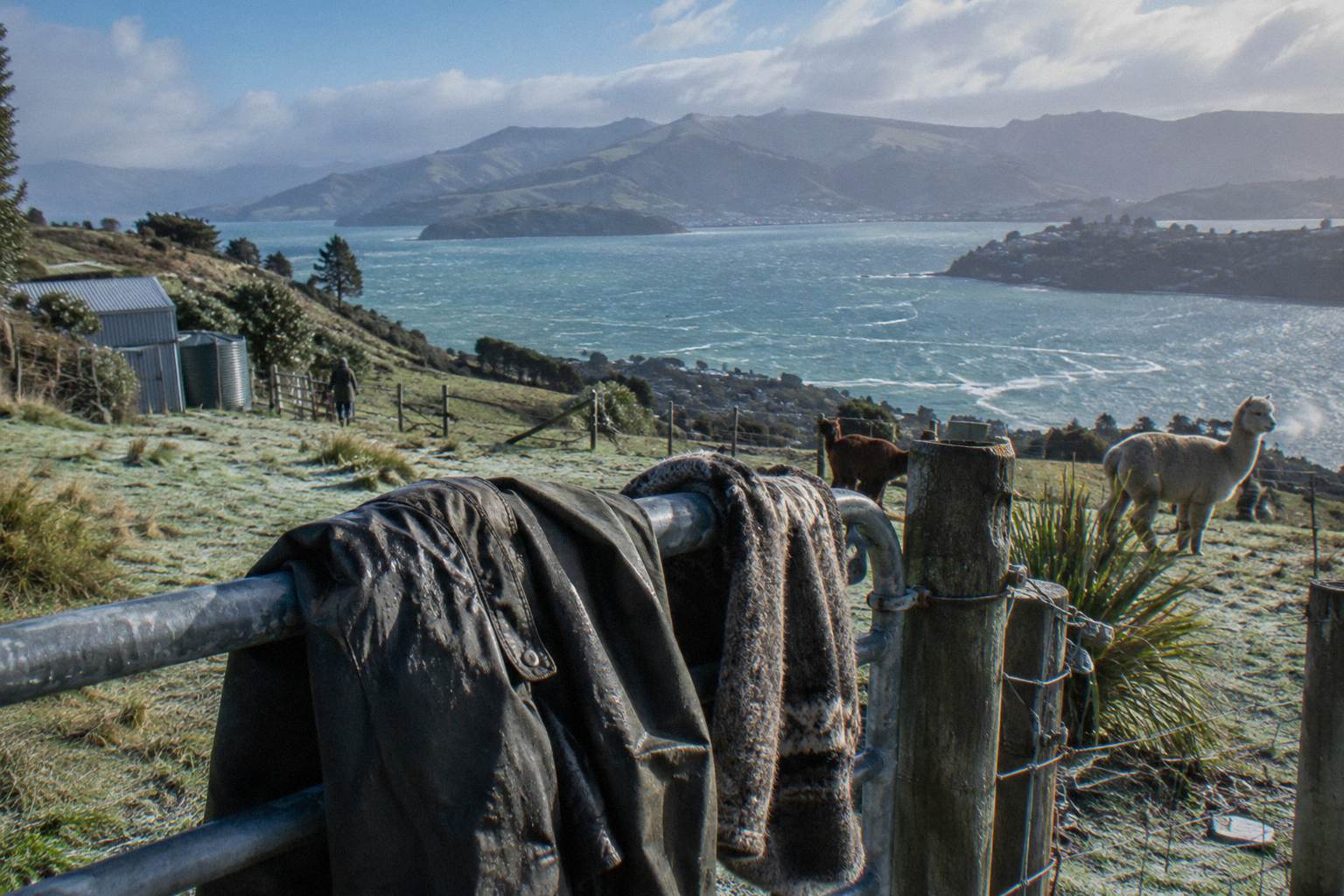
The structure of the peninsula drives the advice. Banks Peninsula, known to Māori as Te Pātaka o Rākaihautū, is about 1,200 square kilometres of rock formed by two extinct volcanoes, cut by the deep harbours of Lyttelton and Akaroa, as the general references describe. The practical consequence for a visitor is simple: the difference between standing at sea level in the village and standing at a lookout 700 metres up is felt in whatever you are wearing, and the Pohatu tour does exactly that move within a single outing. A layer you can shed in the vehicle and pull back on at the photo stops is the whole trick.
For the shore excursion, the vehicle does the climate work between stops, since the booking page lists an air-conditioned vehicle and port pickup and drop-off. Your layers matter most during the 60-minute Coombe Farm stop, which mixes outdoor viewing of the shearing demonstration and sheepdog work with indoor afternoon tea in the homestead. That is a stop-and-start pattern: warm standing outside, then indoors. Layers you can handle one-handed while holding a cup of tea are the right shape of garment.
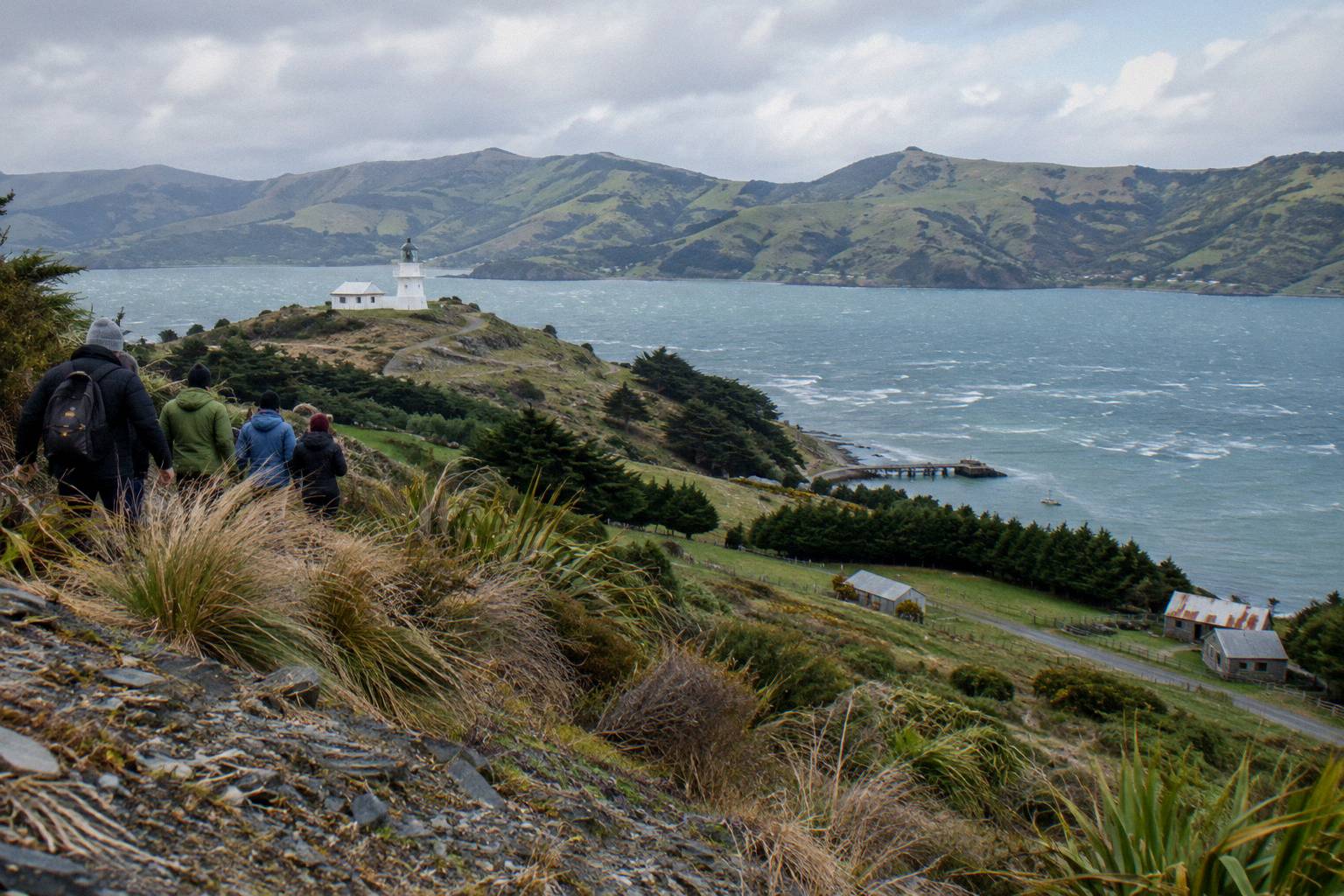
The Shamarra visit is an hour of continuous outdoor time on a hillside with harbour views, so whatever the day is doing, you are in it for the full hour. A wind-resistant outer layer earns its place there more than anywhere, because the farm sits in open country above the water at French Farm and the itinerary keeps you outside from the safety briefing to the shop. Bookings are essential, the operator runs 11am, 1pm and 4pm daily and is closed only Christmas Day, so you are choosing a time slot rather than a weather window when you book.
What Works For The Alpaca Hour At Shamarra?
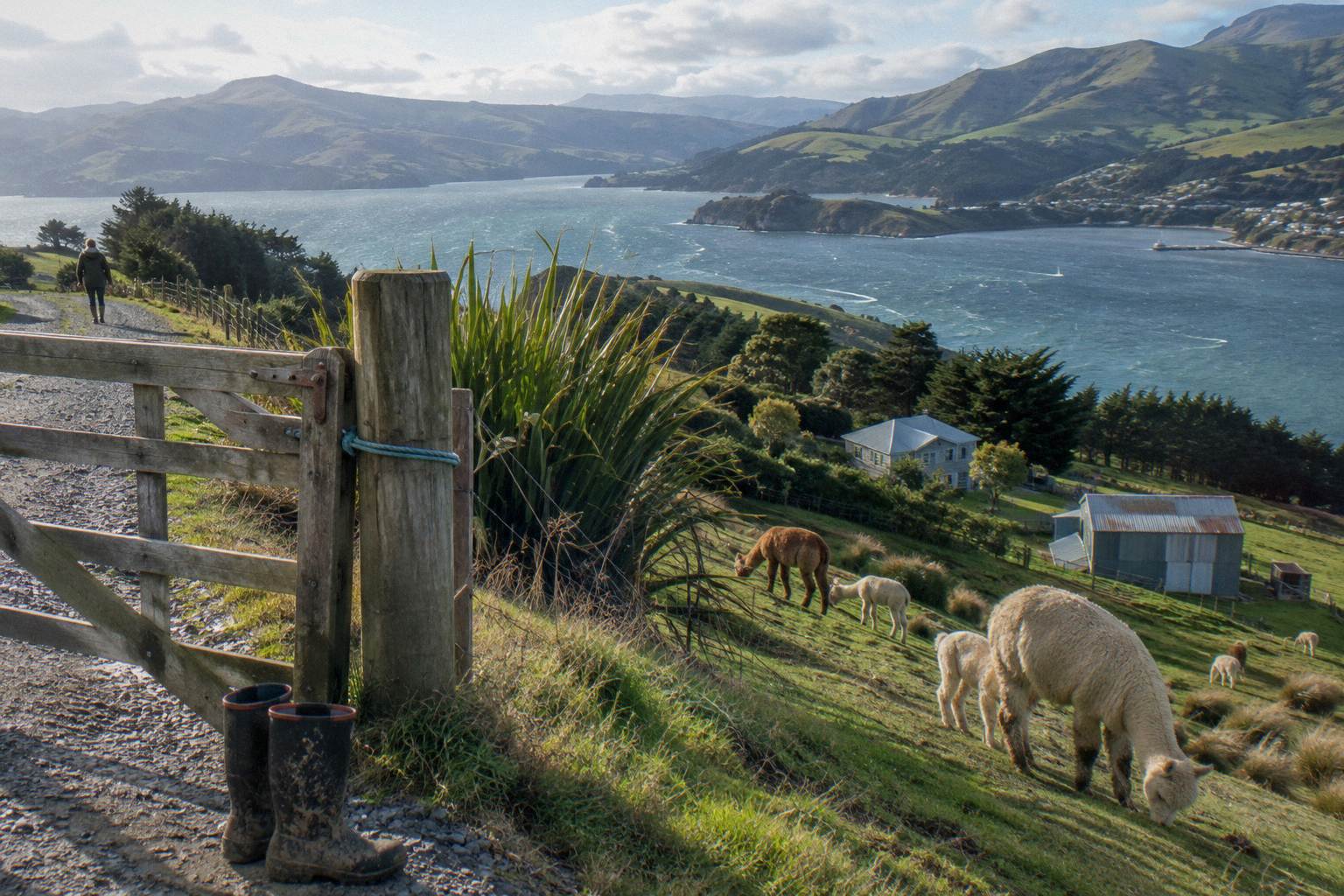
Wear long trousers and closed shoes you can walk on grass in, plus a warm outer layer, for Shamarra's one-hour visit: the itinerary is an outdoor guided walk through the herd and a feeding stop with the mothers and young, on a hillside farm at 328 Wainui Main Road, French Farm. The operator states no dress code.
The visit's shape, from the operator's own page, is a brief intro to alpacas, a safety briefing, fleece to feel, then the walk through the herd and feeding the mothers with young, harbour views, and the closing beverage and cookie before the shop. Almost all of it happens outside on farm ground. Long trousers are plain common sense near fences and grass, and closed shoes for the paddock walk. The farm's setting on an extinct volcano's harbour slopes means the views, and the wind that comes with them, are part of the hour. More of these guides are collected on Akaroa Farm Tour.
One genuinely useful thing to know about the animals themselves comes from general references rather than the operator: alpacas are social herd animals, they can spit to signal dominance or distress, and most give a warning first by blowing air out, raising the head and pinning the ears back. Spitting is mostly aimed at other alpacas, occasionally at a human. None of that is a clothing rule, and the general background on alpacas is worth a skim, but it is the honest reason many farm visitors prefer a washable outer layer over a dry-clean-only one. The safety briefing at the start of the tour covers how to behave around the herd, and that, not your wardrobe, is what the operator actually asks of you.
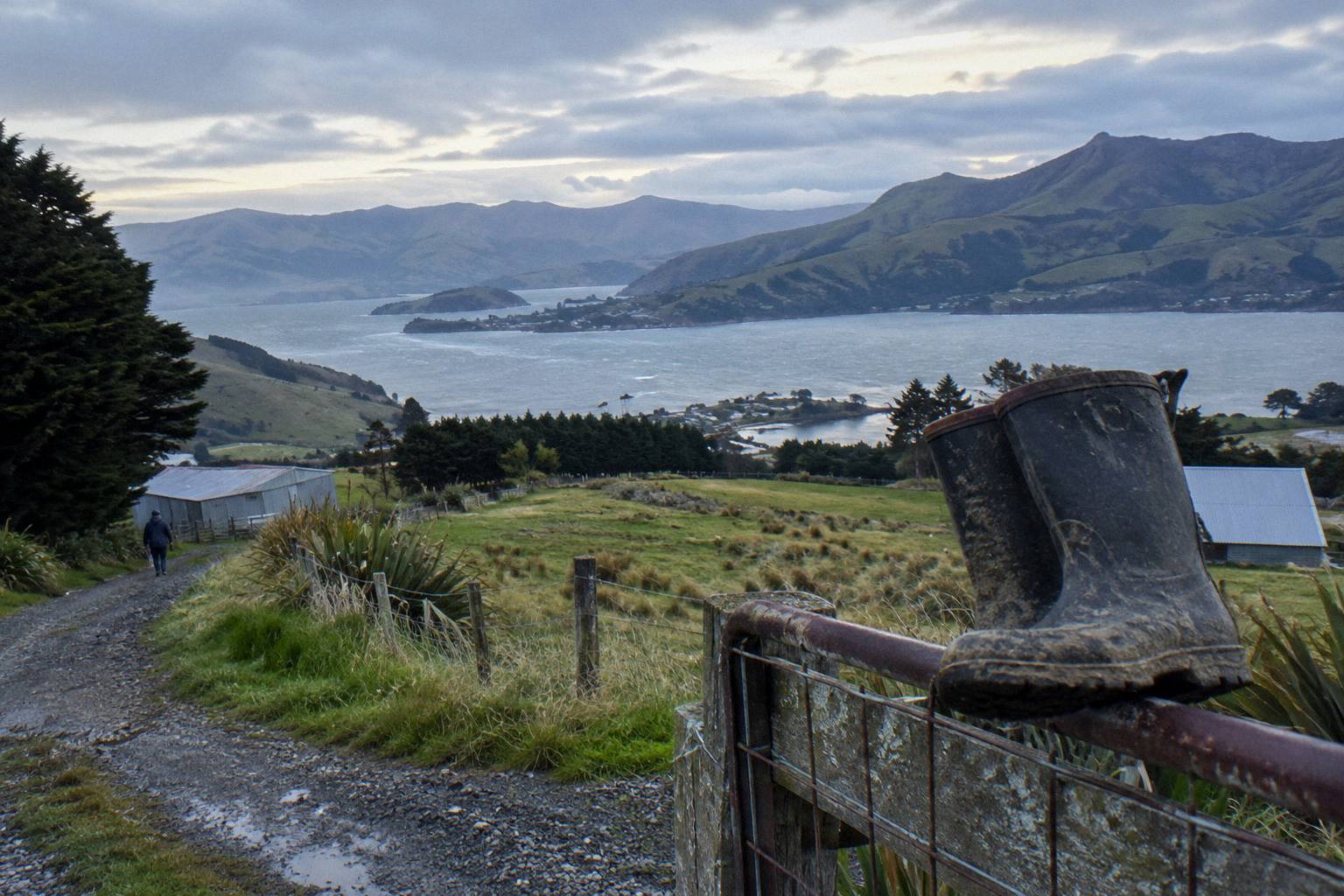
Shamarra is rated 4.9 from 139 reviews, and the booking page allows cancellation up to 24 hours in advance for a full refund. The booking page lists a from-price of US$36 per person, while the operator's own prices are NZ$65 per adult, NZ$35 per child aged 3 to 15 and NZ$60 NZ SuperGold, two different bases it is fair to hold side by side but not to convert. The tour runs in English or Mandarin, the farm was founded in 2004 with 5 alpacas and now keeps over 170, and no transport is provided: you drive yourself, about 20 minutes from Akaroa village or 73 km, just over an hour, from Christchurch Central by the operator's own measure.
If the alpaca hour fits your day better than a farm show, our fuller write-up on Shamarra alpaca farm tours covers times, prices and the itinerary in detail.
What Should You Wear For The Sheep Farm Stop And Afternoon Tea?
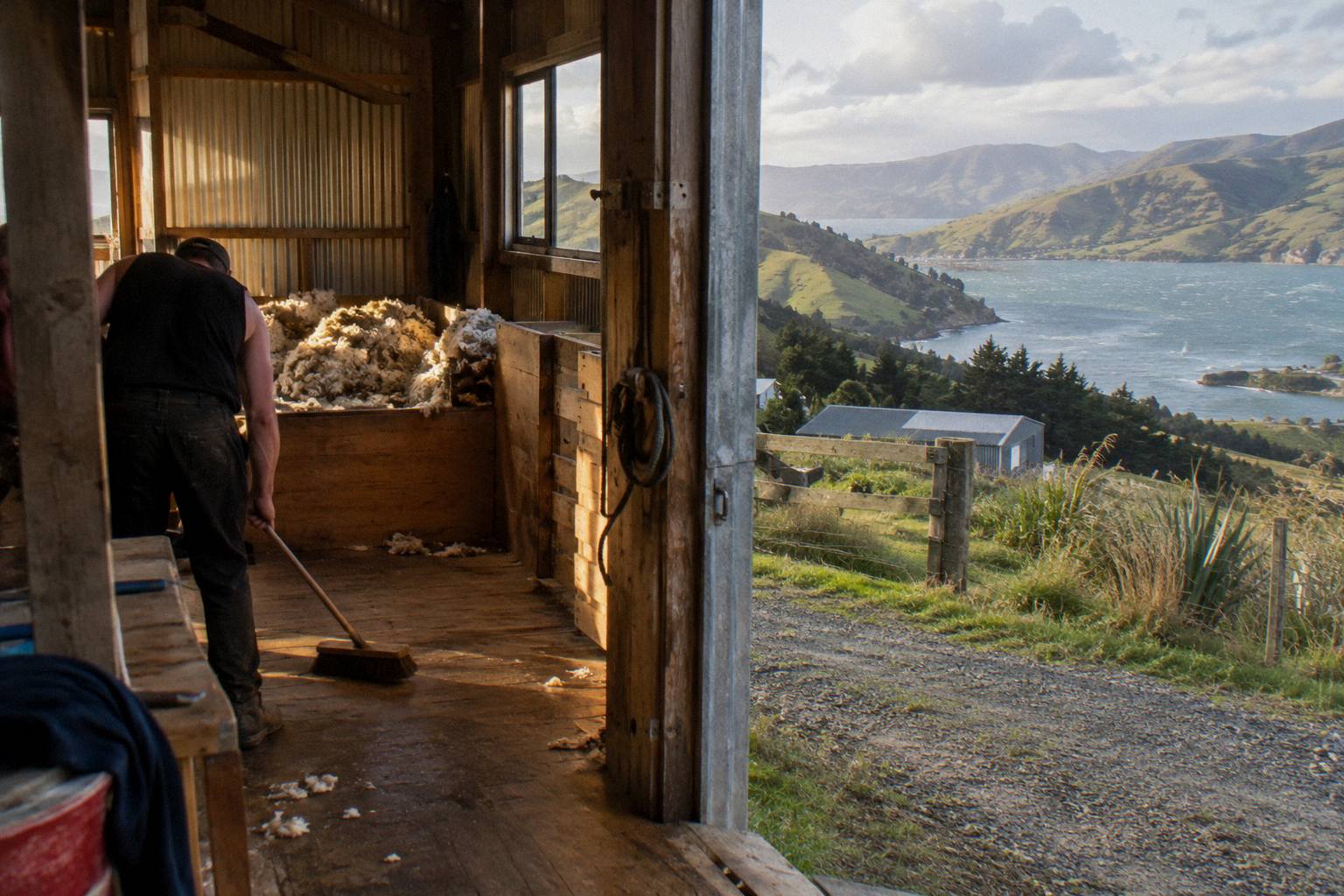
Bring one outfit that works for both halves of the shore excursion's 60-minute Coombe Farm stop: outdoor standing for the shearing demonstration and sheepdog work, then indoor afternoon tea in the homestead. Closed shoes, long trousers and a layer you can take off indoors handle both, and the air-conditioned vehicle covers everything in between.
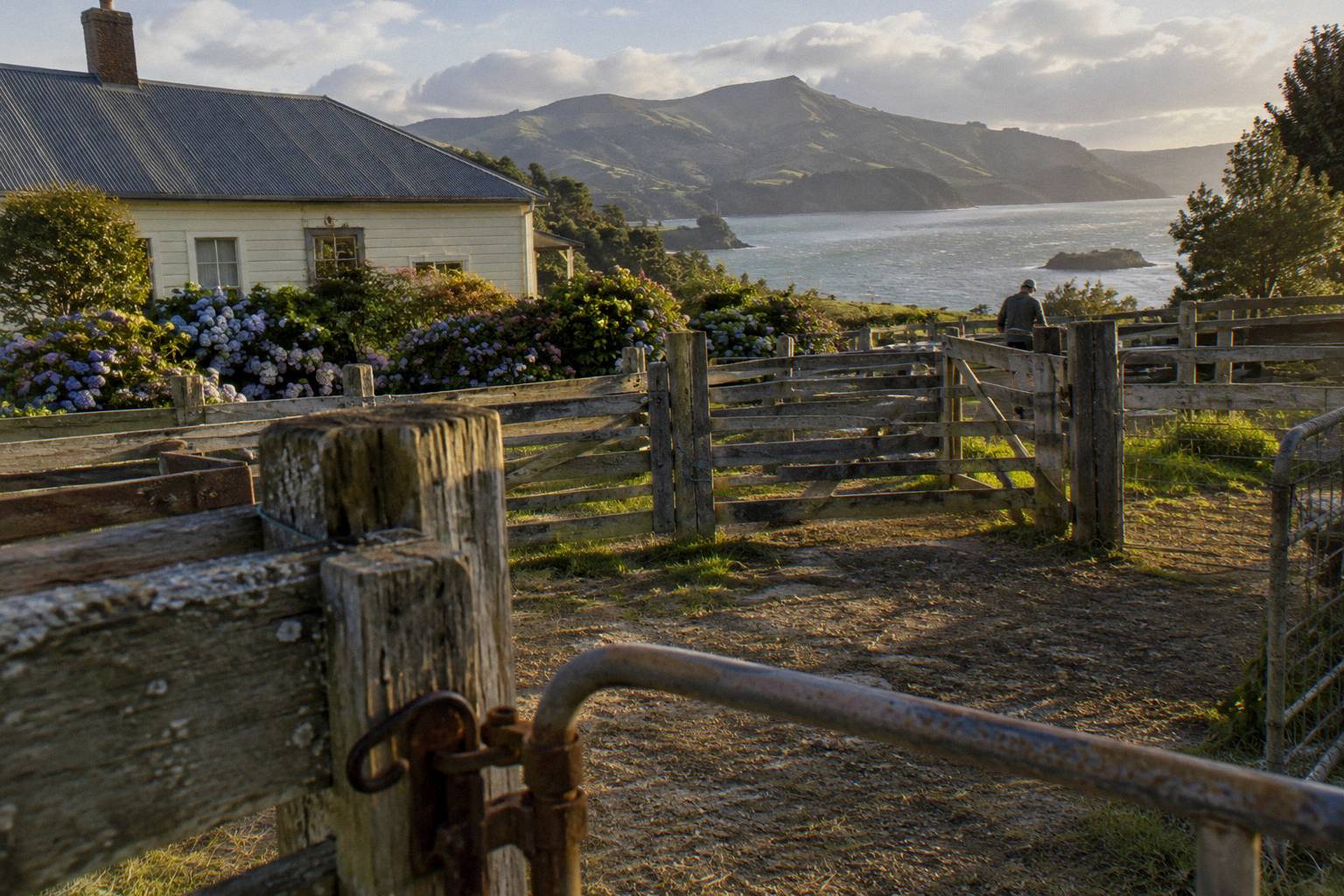
This is the stop with the widest swing in one hour. The booking page puts the demonstration and the dog work at the heart of the farm visit, and both are watched from the farm's own ground, which means grass, gravel or a yard surface depending on where the demonstration is set up that day. The afternoon tea that follows is indoors in the homestead. The same trousers and shoes do both jobs; only the outer layer needs to come off and go back on. It is worth saying plainly that the operator is not named on the booking page, and the farm's own site carries no day-visitor farm show, so there is no official page with further dress detail to check: the booking page's stop list is the full description.
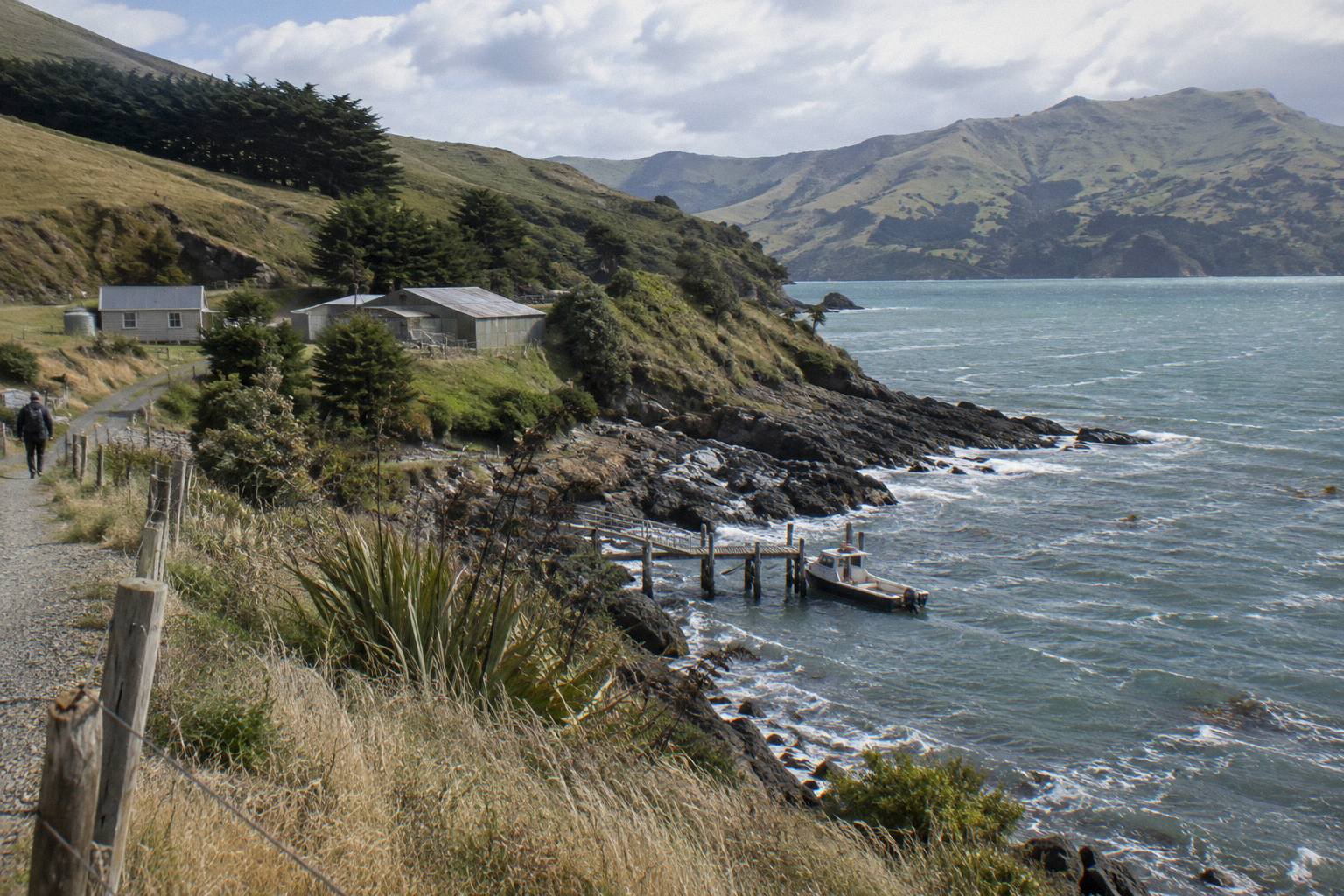
Around the farm stop, the rest of the 2.5 hours is gentler on clothing than it sounds. The 30-minute harbour stretch and the 20-minute Hilltop Tavern stop are viewing and refreshment breaks, and Barrys Bay Cheese is a 15-minute indoor stop at the factory and shop. The tour meets at the Britomart Cannon on the Akaroa waterfront beside the i-SITE at 2:00pm, with arrival asked by 1:50pm, and cruise passengers give their ship name, docking, disembarkation and re-boarding times at booking because schedules can shift with the ship timetable. For cruise visitors, tenders come ashore at Drummond's Jetty in the 2026/27 season while the Main Wharf is rebuilt, per the New Zealand Cruise Association's Akaroa port page, so the walk from the tender point to the meeting spot is short but outdoors: count it in your footwear arithmetic.
How Should You Dress For The Pohatu 4WD And Crater Rim Tour?
Choose the sturdiest shoes and warmest layers of any visit on this site for the Pohatu Penguins Scenic Nature Tour With A Working Sheep Farm: 2 or 4 hours by 4WD minivan with photo stops, Pohatu Bay at water level, a crater rim lookout at 700 metres and, on the longer version, Akaroa Heads Lighthouse Reserve with tea, coffee and a muffin or cake.
The tour's own accessibility line does more clothing planning than any dress note could: it is not suitable for wheelchair users or people with mobility impairments. That tells you the stops involve unmade ground and standing at exposed sites. The 4-hour version adds the lighthouse reserve at the outer head of the harbour, more time out of the vehicle, and a refreshment stop, so the longer you choose the more your layers and shoes matter. Start times are on the booking page rather than stated here, and the meeting point is 8 Rue Balguerie in Akaroa, a village address you will likely walk to from anywhere in town.
Cancellation is stricter than the other tours in one respect: a full refund applies up to 24 hours before, and inside 24 hours there is no refund unless the local partner cancels. The tour is rated 4.8 from 136 reviews, with a booking-page from-price of US$58 per person for the 2-hour version, while the 4-hour tour costs more and the booking page notes prices may vary. The operator, Pohatu Penguins and Sea Kayaking, runs a penguin-led tour with a sheep-farm stop rather than a farm show, so your clothing is planned around viewing stops and a vehicle, not around animal handling.
What About A Full Day Trip From Christchurch?
The booking page for the Full Day Akaroa Day Trip From Christchurch With Alpaca Farm And Harbour Cruise lists private transport with hotel pickup and drop-off, a driver and guide, and stops at the Banks Peninsula scenic drive, Shamarra Alpaca Farm, Akaroa town with free time, and a small-group harbour and dolphin cruise. It is a new listing with no rating yet. Two things to check before you pack or book: the listing excludes tour activity costs and lunch, so confirm what is covered, and a minimum booking equivalent to four adult fares applies to the private group, with a from-price of US$165 per person. The drive itself is about 75 km from Christchurch to Akaroa, roughly 90 minutes on State Highway 75 via Tai Tapu and Little River, sealed but winding, per the official Akaroa visitor site's planning page; the last petrol before Akaroa is at Little River.
Clothing-wise, a boat deck is the windiest surface of any item on this page, so the wind-resistant outer layer earns its spot twice over on this itinerary. Never count on dolphin sightings, the tour does not promise them, but the cruise runs in open harbour regardless.
What Small Items Are Worth Bringing?
Bring sun protection, a water bottle, and a bag that leaves your hands free: every visit here involves standing outdoors with harbour or hilltop views, feeding or watching animals, and in Shamarra's case finishing with a beverage, a home-baked cookie and a shop visit. Cameras and phones come out at every photo stop on the Pohatu tour.
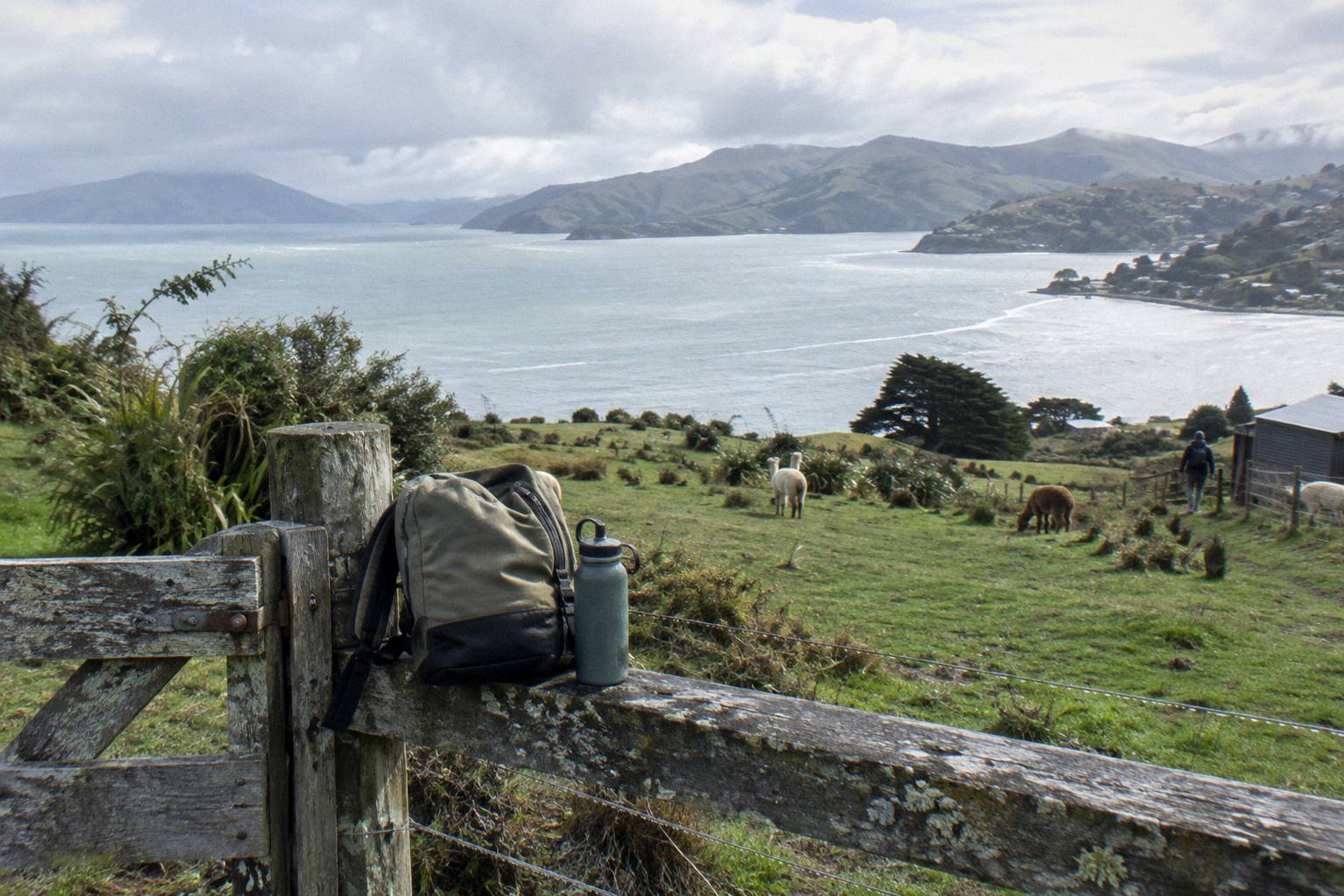
The hands-free point is more practical than it sounds. The Shamarra feeding stop and the vehicle boarding on the Pohatu tour both go more easily without a handbag or a loose jacket over one arm, and the shore excursion moves you on and off the vehicle at four stops in 2.5 hours. A small day pack or zipped pockets solve it. Sun protection is ordinary common sense for the listed activities: the Shamarra hour is fully outdoors, the crater rim lookout is fully exposed, and the harbour stops involve standing still for photos.
| Item | Why it earns its place | Which tours it matters most on |
|---|---|---|
| Closed walking shoes | Paddock walking, gravel, 4WD track stops | All four, sturdiest on Pohatu |
| Long trousers | Fences, grass, close proximity to animals | Shamarra, shore excursion |
| Warm mid layer | Standing at lookouts and photo stops | Pohatu, day trip cruise leg |
| Wind-resistant outer layer | Harbour and 700 m crater rim exposure | Pohatu, Shamarra, day trip |
| Sun hat and sunscreen | Fully outdoor hours with little shade | Shamarra hour, crater rim stops |
| Small day pack | Hands free for feeding, boarding, tea | All four |
| Layer you can shed indoors | Homestead afternoon tea, farm shop | Shore excursion, Shamarra |
Children's clothing follows the same logic, and the Shamarra child price applies from age 3 to 15; infants on the shore excursion must sit on laps. Our farm visit with kids guide takes the family packing question further.
Does Colour Or Fabric Choice Matter Around Alpacas?
No operator here gives any colour or fabric rule, and there is no verified guidance to pass on. The honest framing is common sense: you are outdoors on a farm among animals that communicate through body language, so comfortable, washable clothing you are relaxed about is a better fit than anything delicate, and the operator's safety briefing at the start of the Shamarra tour covers the behaviour side.
General references note that alpacas are often confused with llamas, that they live in family herds, and that they are typically sheared once a year in spring; Shamarra's own story runs from 5 animals in 2004 to over 170 today, with award-winning fleece on display to feel during the tour. None of that translates into a dress code, and inventing one would be exactly the kind of invented fact this site refuses to print. If a washable outer layer and closed shoes are your starting point, the wardrobe question is answered as far as honest information allows. For the planning stages around it, our best season for an Akaroa farm visit guide picks up where the closet ends.
Common Questions About What To Wear On An Akaroa Farm Visit
What Should You Wear On An Akaroa Farm Visit?
Closed walking shoes, long trousers and layers, with a wind-resistant outer layer for harbour and hilltop stops. No Akaroa farm operator publishes dress guidance, so this is common-sense planning around the stated activities: paddock walking, a 60-minute sheep farm stop and a 4WD climb to a lookout at 700 metres.
Do Any Akaroa Farm Tours State A Dress Code?
No. Neither Shamarra's own tour page nor the shore excursion or Pohatu booking pages include any dress guidance. Everything on this page is common-sense framing built from what each listing says the visit involves.
Are Sandals Or Trainers Acceptable For The Alpaca Tour?
Comfortable closed trainers are fine for Shamarra's one-hour visit, which is a guided paddock walk with a feeding stop on a property the booking page lists as wheelchair and pushchair accessible. Open sandals are a poorer fit for grass, gravel and proximity to animals.
What Shoes Are Best For The Pohatu Crater Rim Tour?
The sturdiest shoes of any visit here. The tour uses a 4WD minivan on unmade tracks with photo stops at Pohatu Bay and a crater rim lookout at 700 metres, and the booking states it is not suitable for wheelchair users or people with mobility impairments.
Will I Need A Warm Layer In Summer?
Yes, bring one regardless of season. The Pohatu tour's lookout sits at 700 metres, the Shamarra hour is fully outdoors on a hillside above the harbour, and the day trip adds a harbour cruise. This site prints no weather statistics, but the altitude and exposure of the listed stops make a warm layer sensible year round.
What Should Children Wear On A Farm Visit?
The same as adults: closed shoes, long trousers and a layer for standing outdoors. The Shamarra child price applies from age 3 to 15, and infants on the shore excursion must sit on laps, per the booking page.